November 20, 2026
Best Treatment for Melasma in London: What Works and What Doesn't
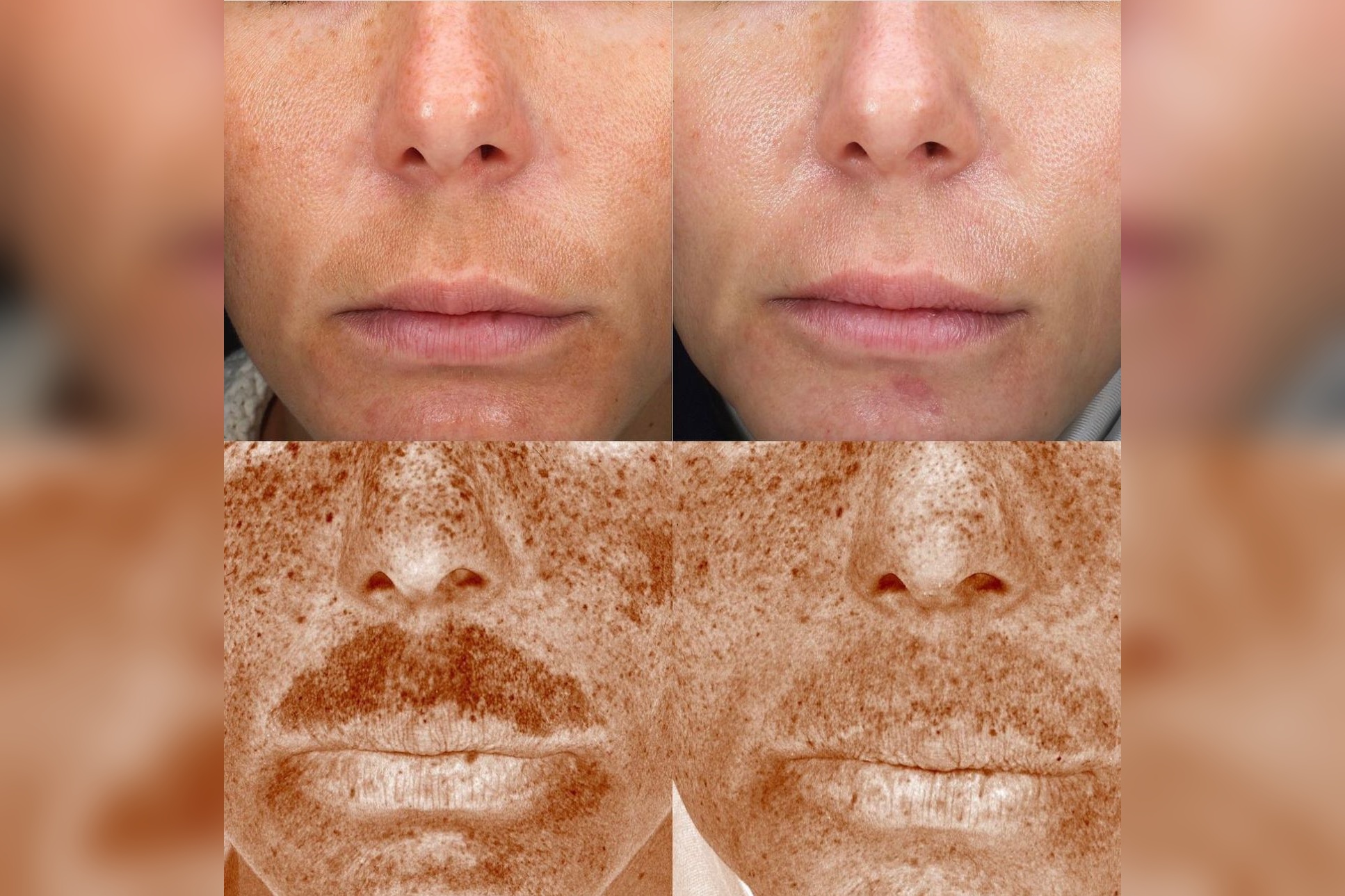
Melasma is one of the most frustrating pigmentation concerns to live with. The patches arrive without warning, often after pregnancy, a hot summer or a change in hormones, and they have a habit of returning just when you think they have gone. Many people spend months and a good deal of money on treatments that make no difference, or in some cases make things worse.
The reason is that melasma is not simply sun damage, and it does not respond to the same approach as a brown spot. It needs a plan that calms the skin, controls pigment production and avoids the triggers that switch it back on. Dr Maryam Zamani, an oculoplastic surgeon and facial aesthetics doctor, has personal experience of melasma, and it shaped the protocol she now offers at The Clinic in Chelsea.
In short: melasma can be controlled, but it cannot be permanently cured. The best results come from daily sun protection, treatments that reduce pigment and inflammation, and a maintenance plan. Aggressive or heat-generating treatment, used without care, can make melasma worse, so the choice of treatment and settings matters as much as the device.
What is melasma?
Melasma is a long-term pigmentation condition that causes brown or grey-brown patches, usually on the cheeks, forehead, upper lip and nose. The patches tend to be symmetrical and have soft, irregular edges. It is far more common in women and in people with medium to deeper skin tones, and it often begins in the twenties to forties.
It is driven by overactive pigment cells that are easily triggered. That is why it comes back, and why treatment is about long-term control rather than a single fix. Dr Zamani's melasma glossary entry gives a short definition, and her melasma concern page explains how the clinic approaches it.
What triggers and worsens melasma?
- Sunlight. UV and visible light both stimulate pigment. This is the most important trigger to control.
- Hormones. Pregnancy, the contraceptive pill and hormone replacement can all play a part.
- Heat. Hot environments, saunas and heat-generating treatments can aggravate it.
- Inflammation. Irritating skincare, over-exfoliation and aggressive procedures can leave the skin inflamed, and inflamed skin makes more pigment.
- Genetics. A family history makes melasma more likely.
Is it melasma or another type of pigmentation?
Treating the wrong type is the most common reason pigmentation does not improve.
Many people have more than one. Dr Zamani's guide to the different types of pigmentation explains how to tell them apart.
What are the best treatments for melasma?
No single treatment works for everyone, and combinations usually outperform any one option used alone.
Daily sun protection
This is the foundation. Without it, no treatment will hold. Use a broad-spectrum SPF every day, reapply when outdoors, and add a hat in strong sun. Dr Zamani's Expert UV Protector SPF50, from her own MZ SKIN range, is one option.
Tranexamic acid (TXA)
Tranexamic acid is used to gradually lighten discolouration and suits a wide range of skin types. It works by calming the processes that drive pigment production. At the clinic it is used as part of a wider plan, for example alongside exosomes or microneedling. Your medical history is reviewed first, as with any treatment.
Gentle, carefully chosen lasers
The right laser is not the strongest one. MOXI is a non-ablative fractional laser that targets surface pigment while stimulating collagen renewal. HALO, a hybrid laser, can be added in more advanced cases to address deeper pigment, skin tone and vascular triggers.
Microneedling with TXA
Microneedling combined with tranexamic acid stimulates collagen and helps reduce the risk of recurrence. It forms part of the gentler tier of the clinic's protocol.
Medical peels
Some peels can help when chosen for your skin type. The clinic offers the Skin Renewal Peel, a resorcinol peel suitable for all skin types, the VI Peel Precision Plus and the Dermamelan depigmentation peel.
Exosomes and LED light
Exosome treatment supports healing and calms inflammation, and LED light therapy helps skin recover after treatment.
What should you be careful with?
Treatments that create heat or inflammation can worsen melasma if they are chosen or set incorrectly. That includes some lasers, light-based treatments and strong peels. Melasma should always be assessed before any laser or light treatment, and a good clinician will often start gently and build up. Be cautious about any clinic that offers one aggressive session as a cure.
What is Dr Zamani's Melasma Protocol?
The Melasma Protocol is a two-tier, laser-led programme designed around how severe the melasma is and how sensitive the skin is. You can read more in her announcement of the new melasma protocol.
The clinic's work on deeper pigmentation has been recognised in the Tatler Beauty Guide 2026, as covered in this press feature.
How long does melasma treatment take?
Improvement is gradual. Most people need a course of treatments over several months, and the first changes usually take weeks rather than days. Because melasma can return, a maintenance plan matters. In Tier 1 of the protocol this means quarterly sessions. Realistic expectations are the difference between being pleased and being disappointed: the aim is to lighten and control, not to promise permanent clearance.
What can you do at home?
- Wear broad-spectrum SPF daily and reapply outdoors
- Avoid direct heat on the face, such as saunas and hot yoga, where possible
- Keep skincare gentle and avoid scrubs and strong exfoliants
- Do not pick, and do not treat patches with harsh or untested products
- Ask your doctor before changing hormonal medication
How do you choose a melasma clinic in London?
- Choose a doctor-led clinic that examines your skin and asks about triggers
- Ask which treatments are used for your skin type and why
- Be wary of any promise of a one-session cure
- Expect a maintenance plan, not just a treatment course
- Ask how the clinic manages the risk of treatment making pigment worse
Book a consultation with Dr Maryam Zamani
If melasma is affecting your skin or your confidence, the first step is a proper assessment of your skin and your triggers. Book a consultation at Dr Maryam Zamani's Chelsea clinic and she will recommend a plan suited to you. You can also read more about Dr Zamani and view current pricing.
Testimonials
Trustindex rating score: 4.7 of 5, based on 222 reviews
JT

My recent experience with the lovely Dr Maryam Zamani and her fabulous team was outstanding. Dr Maryam gave very professional and proactive...
EC
Maryam is highly skilled when it comes to injecting Botox and filler in the right places, and in the right amount. With other practitioners and doctors I have...
JB
The only one I trust for my skin since 10 years. She is truly amazing and an example for women . Very very happy about my laser treatment and her team is...
MCL
After taking my time researching plastic surgeons I decided to go to Dr. Zamani. I watched her IG often, saw what type of treatments she...
SS
I have been a patient of Dr Zamani’s for years, and to put it lightly, I will never let anyone touch my face if it isn’t her! Not only is Dr Zamani a wonderful person, her....
NC
I visited Doctor Zamani with very droopy upper eyelids and I had been thinking about surgery for sometime. I was given Doctor Zamani’s name by a friend who is in...
Frequently asked questions
What is the best treatment for melasma?
There is no single best treatment. The most effective plans combine daily sun protection with treatments that reduce pigment and inflammation, such as tranexamic acid and gentle lasers, followed by maintenance. The right mix depends on how severe your melasma is and how sensitive your skin is.
Can melasma be cured permanently?
Melasma can be controlled and lightened, but it tends to return when triggered by sun, heat or hormones. That is why long-term maintenance and sun protection are part of every plan.
Can melasma be cured permanently?
It can, if the wrong laser or settings are used. Heat and inflammation can trigger pigment. Gentle, carefully selected lasers used by an experienced doctor are a different matter, and are used in structured melasma protocols.
Is tranexamic acid safe for melasma?
Tranexamic acid is used as a safe and effective option for melasma in many skin types when prescribed and supervised. Your medical history is reviewed first, and the treatment is part of a wider plan.
How long does it take to see results?
Most people notice early changes within weeks and continued improvement over several months. The pace depends on the severity of the melasma and how consistently triggers are controlled.
Will melasma go away after pregnancy?
For some people it fades after pregnancy or after stopping hormonal medication, but for many it persists and needs treatment. A doctor can advise on the best approach for you.
Frequently asked questions
What is the best treatment for melasma?
There is no single best treatment. The most effective plans combine daily sun protection with treatments that reduce pigment and inflammation, such as tranexamic acid and gentle lasers, followed by maintenance. The right mix depends on how severe your melasma is and how sensitive your skin is.
Can melasma be cured permanently?
Melasma can be controlled and lightened, but it tends to return when triggered by sun, heat or hormones. That is why long-term maintenance and sun protection are part of every plan.
Does laser make melasma worse?
It can, if the wrong laser or settings are used. Heat and inflammation can trigger pigment. Gentle, carefully selected lasers used by an experienced doctor are a different matter, and are used in structured melasma protocols.
Is tranexamic acid safe for melasma?
Tranexamic acid is used as a safe and effective option for melasma in many skin types when prescribed and supervised. Your medical history is reviewed first, and the treatment is part of a wider plan.
How long does it take to see results?
Most people notice early changes within weeks and continued improvement over several months. The pace depends on the severity of the melasma and how consistently triggers are controlled.
Will melasma go away after pregnancy?
For some people it fades after pregnancy or after stopping hormonal medication, but for many it persists and needs treatment. A doctor can advise on the best approach for you.
Can I treat melasma at home?
Daily sun protection and gentle skincare help and are essential. Home care alone rarely clears established melasma, so most people also need clinical treatment.
Book Consultation
As a leading Oculoplastic Surgeon with special interest in Facial Aesthetics, Dr. Maryam Zamani has garnered a global reputation - both in the US and UK - for her meticulous attention to detail and sought-after techniques for eyes and facial aesthetics.
Thank you! Your submission has been received!
Oops! Something went wrong while submitting the form.
Find The Clinic by Dr Maryam Zamani in the heart of Chelsea
Book an eyelid surgery consultationLocated on the Kings Road, our clinic is easy to reach from Chelsea, Kensington, Belgravia, Knightsbridge, South Kensington, Fulham and Battersea. We are positioned just moments from Sloane Square with excellent transport links across Central and South West London.
Public Transport
- Nearest tube: Sloane Square (District & Circle lines)
- Approx. 5-minute walk
- Multiple bus routes along King’s Road
Parking
- Metered on-street parking available on surrounding roads
- Nearby car parks: Duke of York Square & Cadogan Place
- Please allow additional time during peak hours
Accessibility: Please let us know if you require any assistance prior to your appointment, our team will be happy to help ensure your visit is comfortable.