.avif)


Droopy Eyelids (Ptosis)
Specialist assessment and surgical repair of droopy upper eyelids by oculoplastic surgeon Dr Maryam Zamani, in Chelsea, London.
Treatment for Droopy Eyelids in London
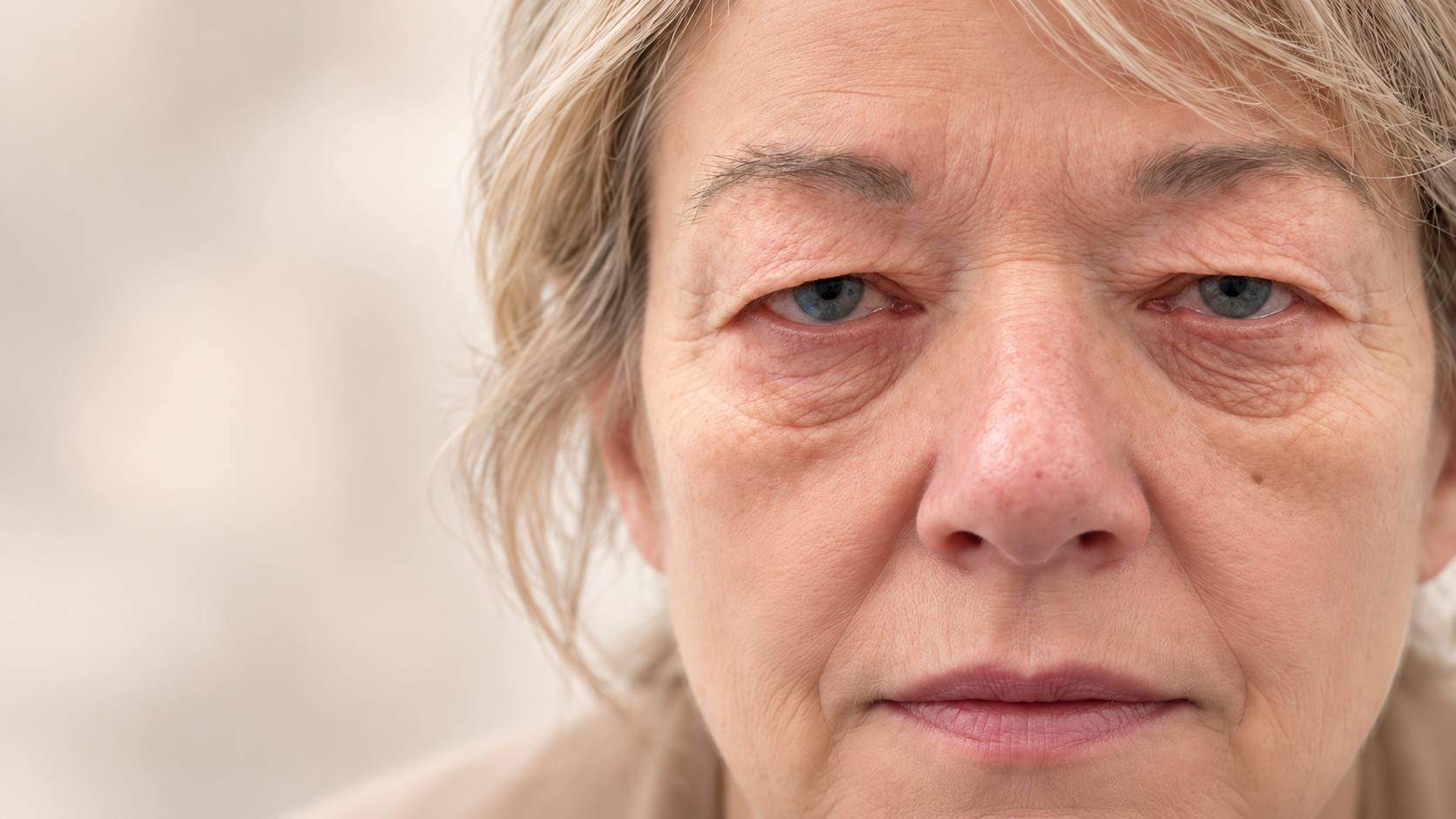
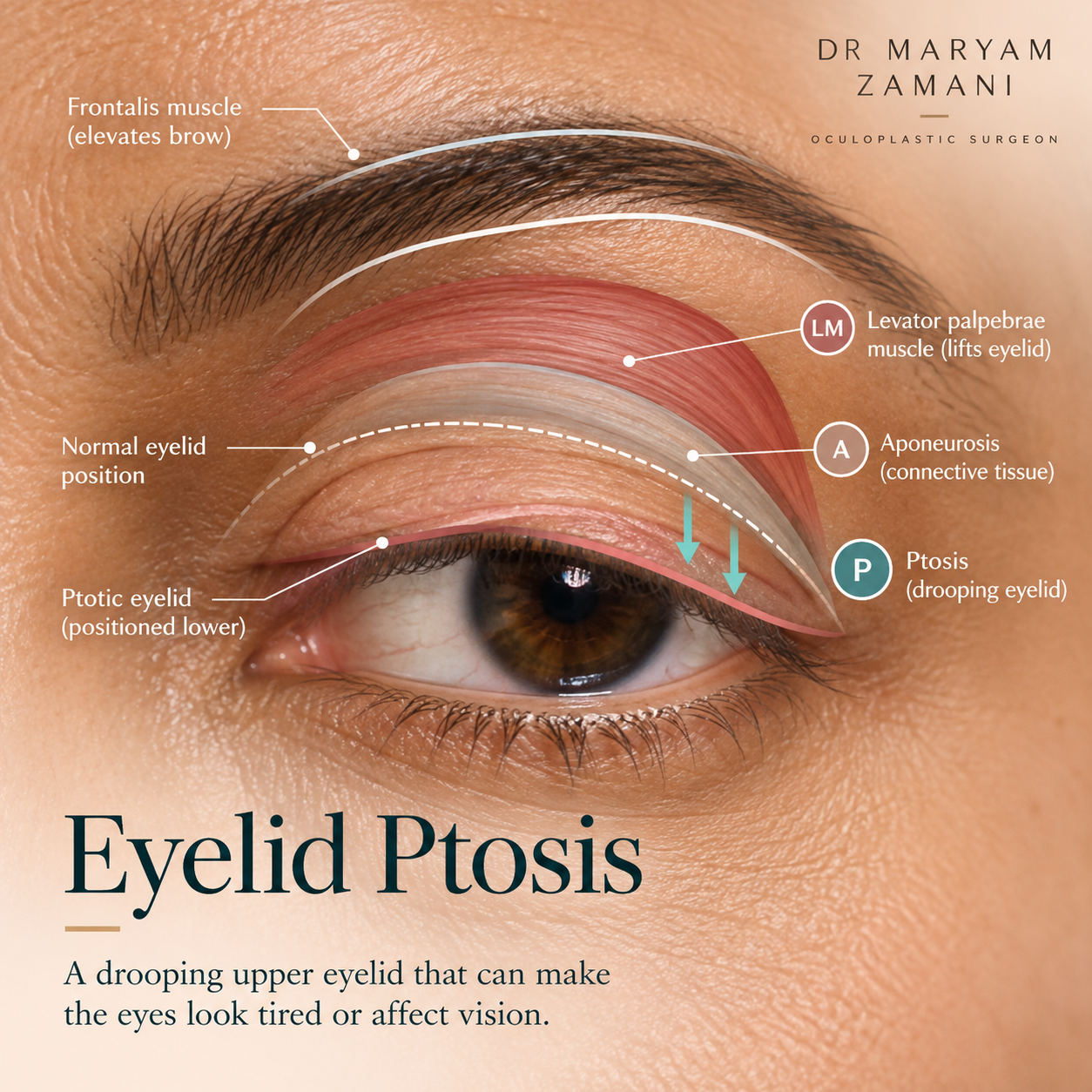
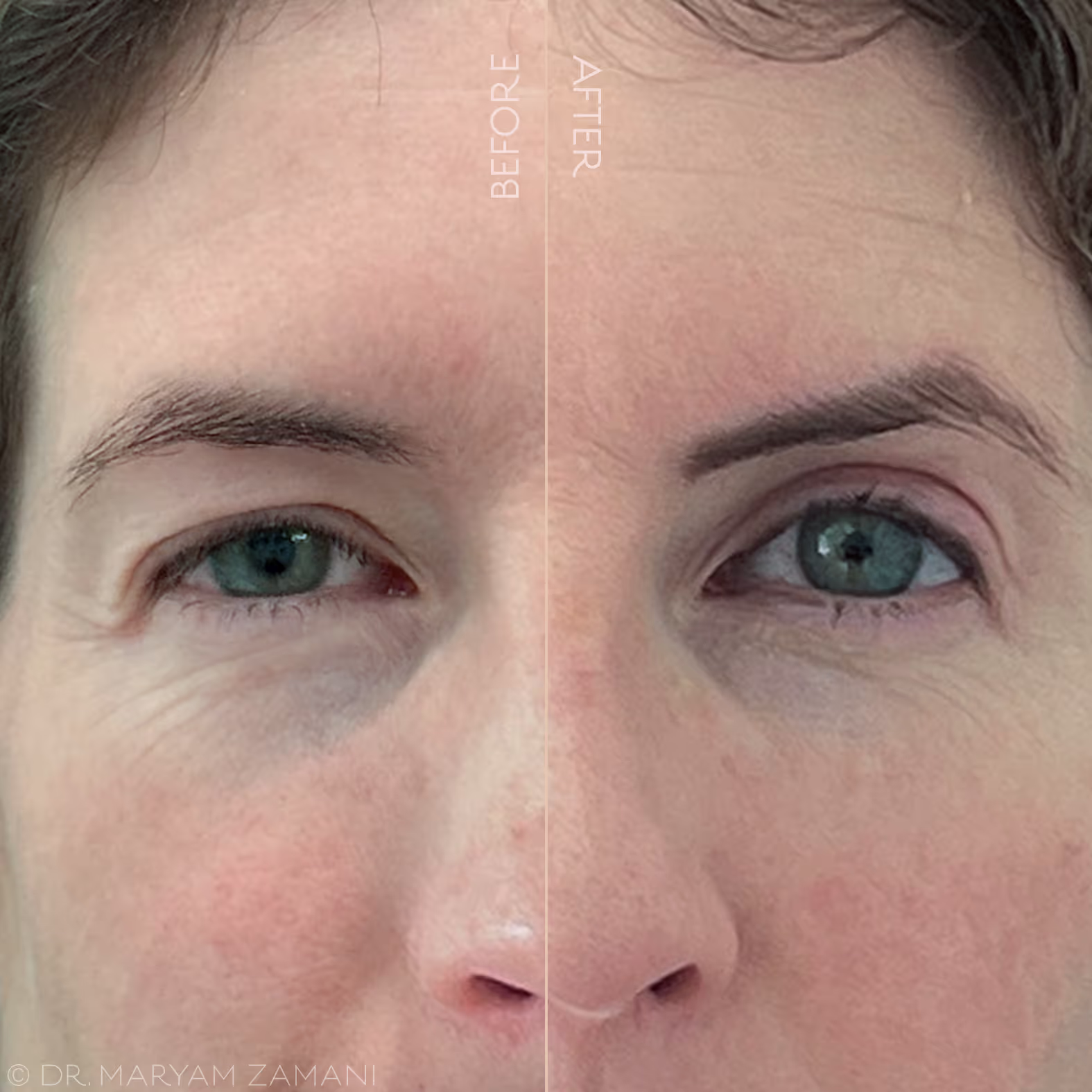
A droopy eyelid, known medically as ptosis, is when the upper eyelid sits lower than it should over the eye. It can affect one or both eyes and may make the eye look smaller, tired or uneven compared with the other side.
Unlike hooded eyelids, which are caused by excess skin, ptosis is caused by a problem with the muscle that lifts the eyelid. Where the eyelid covers part of the pupil, it can also restrict vision, and some patients find themselves raising their eyebrows or tilting their head back to see clearly.
Ptosis repair is a specialist procedure at the core of oculoplastic surgery. Dr Maryam Zamani tightens or reattaches the lifting muscle to raise the eyelid to a natural, symmetrical height, and can combine this with upper eyelid surgery where excess skin is also present.
What Causes Droopy Eyelids
Age-Related Stretching
The tendon that connects the lifting muscle to the eyelid gradually stretches or detaches with age, allowing the eyelid to sit lower.
Contact Lens Wear
Years of inserting and removing contact lenses, particularly hard lenses, can contribute to stretching of the eyelid tendon.
Previous Eye Surgery
Procedures such as cataract surgery can occasionally weaken the eyelid tendon and lead to ptosis afterwards.
Congenital Ptosis
Some people are born with an underdeveloped lifting muscle, causing a droopy eyelid from childhood.
Eyelid Ptosis Repair
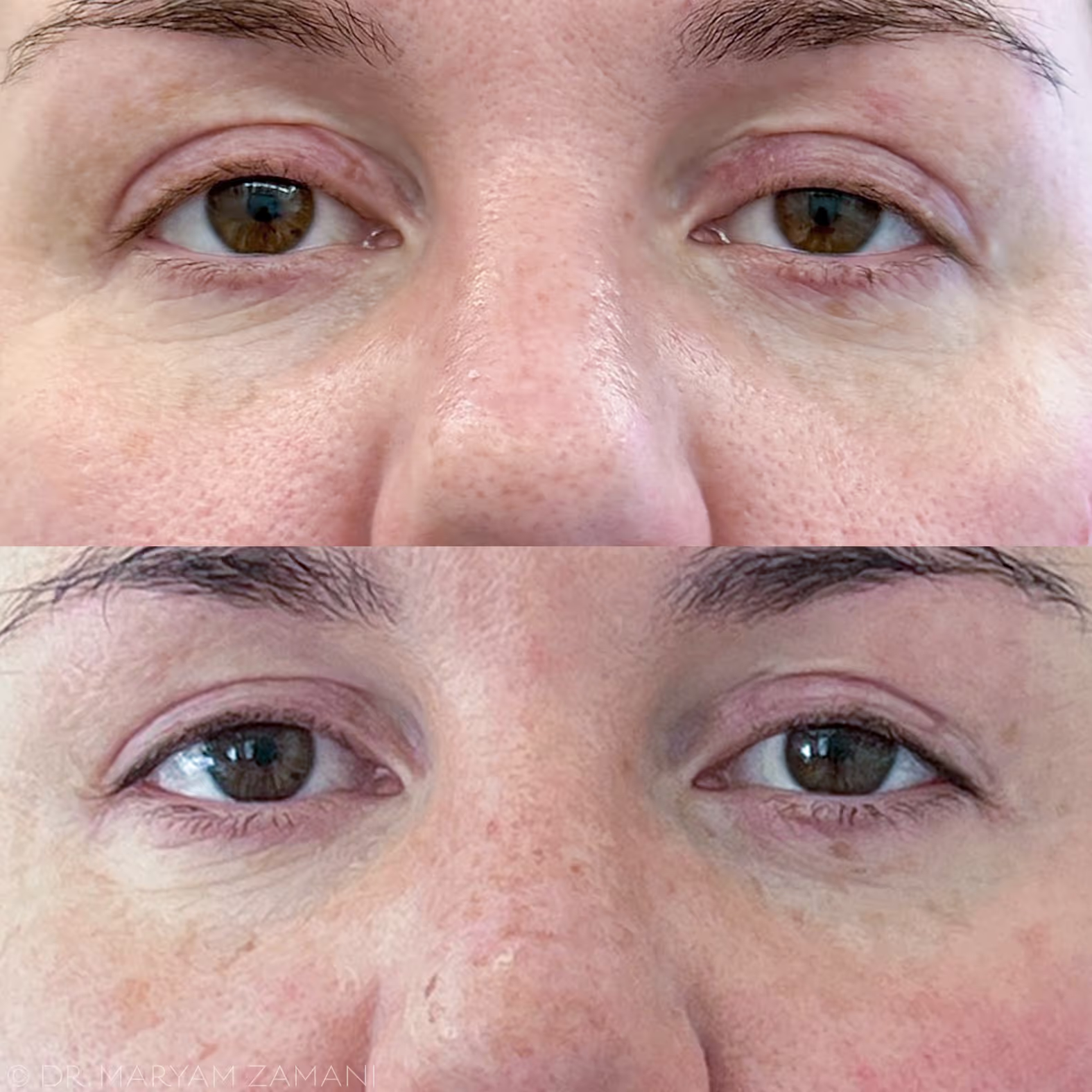
Eyelid ptosis repair by Dr Maryam Zamani lifts drooping upper eyelids, improves vision and symmetry, and restores a more open, refreshed appearance
Upper Eyelid Blepharoplasty
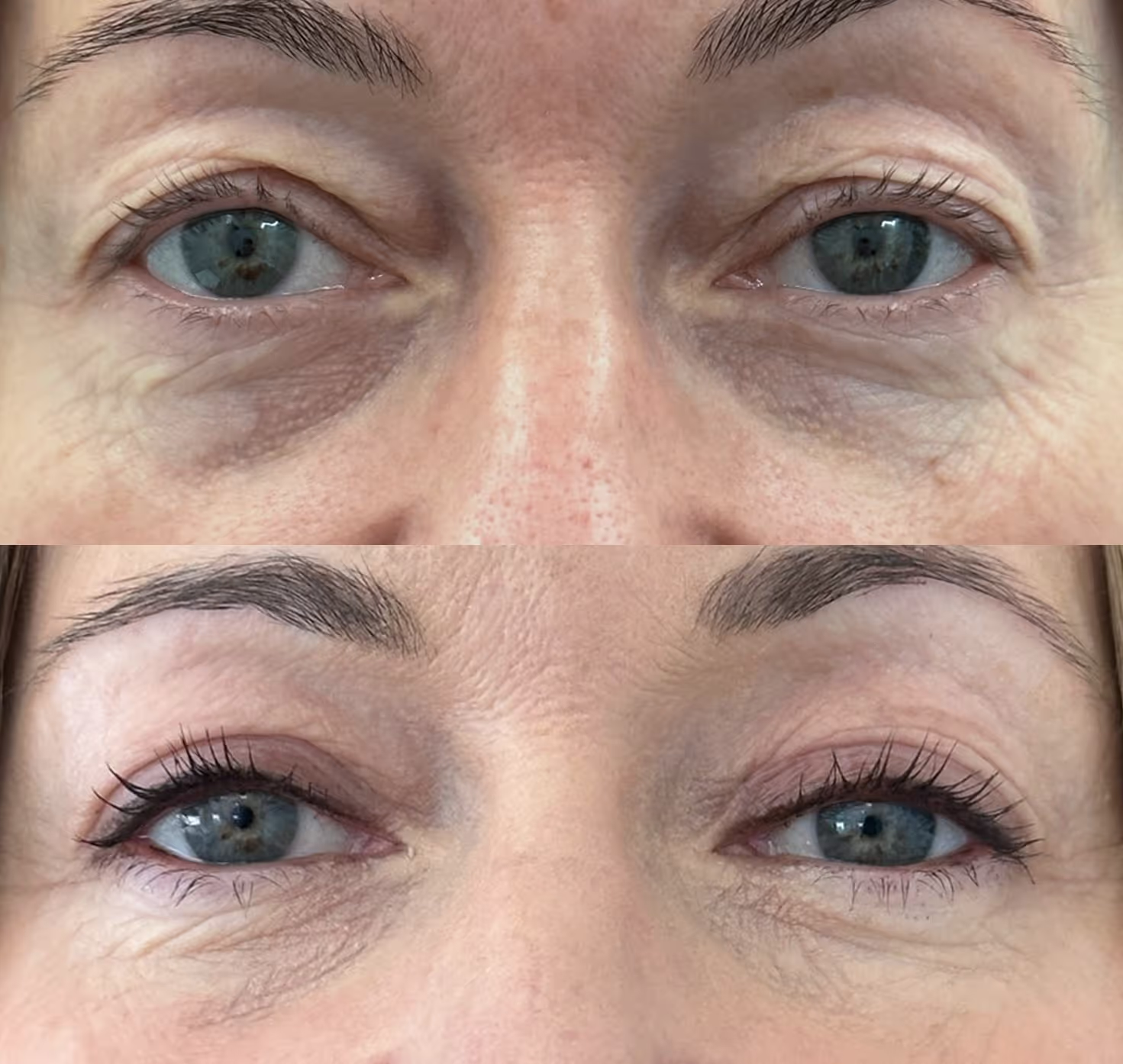
Upper eyelid surgery removes excess skin and fat to correct hooded, sagging eyelids, restoring a fresher appearance and better eyelid function.
Brow Ptosis Repair
Brow lift surgery elevates and repositions eyebrows for a refreshed, youthful appearance, performed alone or alongside eyelid surgery to restore natural brow shape.
Your Treatment Journey
Consultation
Dr Zamani measures eyelid height, muscle function and symmetry between the eyes, and assesses whether excess skin or brow position is also contributing.
Treatment
Ptosis repair is performed a Chelsea clinic with same-day discharge, and can be combined with upper eyelid surgery or brow lifting where appropriate.
Recovery & Review
Swelling and bruising typically settle within one to two weeks. Follow-up reviews are arranged to monitor eyelid height and symmetry as healing progresses.
“I had a great experience with Dr Zamani. I was able to describe what I was hoping to achieve and received expert, experienced and credible advice on what would and wouldn't be effective.”
— Patient Testimonial, The Clinic
Frequently Asked Questions
Ptosis is the medical term for a droopy upper eyelid, where the eyelid sits lower than normal over the eye. It is caused by weakness or stretching of the muscle that lifts the eyelid, and can affect one or both eyes.
The most common cause is age-related stretching of the muscle that lifts the eyelid. Long-term contact lens wear, previous eye surgery and congenital weakness of the lifting muscle can also cause ptosis.
No. Blepharoplasty removes excess skin and fat, while ptosis repair tightens the muscle that raises the eyelid. The two are often performed together when both skin and muscle are contributing.
Occasionally, anti-wrinkle injections can temporarily affect the eyelid lifting muscle and cause a mild droop. This is not true ptosis, resolves as the product wears off, and does not require surgery.
Yes, a droopy eyelid that develops suddenly should be assessed urgently by your GP or A&E, particularly if it comes with double vision, headache or a change in pupil size, as it can indicate an underlying medical condition. Ptosis that develops gradually over months or years is usually age-related.
Yes. When the eyelid covers part of the pupil, it can block the upper field of vision. Many patients also notice eye strain or a tired forehead from constantly raising their eyebrows to compensate.
Patients go home the same day, and swelling and bruising usually settle within one to two weeks. Eyelid height continues to settle over the following weeks, and this is monitored at follow-up.
Achieving symmetry is a central aim of ptosis repair, and eyelid height is carefully measured before and during surgery. Because every eyelid heals slightly differently, small differences can remain, and occasionally a minor adjustment is needed.
The cost depends on whether one or both eyelids are treated and whether ptosis repair is combined with other procedures. Prices for each treatment are shown on the individual treatment pages, and your personalised plan and costs are confirmed after consultation.