.avif)


Hooded Eyelids
Specialist assessment and treatment of hooded upper eyelids by oculoplastic surgeon Dr Maryam Zamani, at her clinic on the King's Road, Chelsea.
Treatment for Hooded Eyelids in London
Hooded eyelids occur when a fold of skin settles over the upper eyelid crease, reducing the visible lid and giving the eyes a heavy or tired appearance. For some patients, the excess skin also rests on the lashes or narrows the upper field of vision.
Hooding rarely has a single cause. Excess eyelid skin, a descending brow and changes in the underlying fat can each play a part, and the correct treatment depends on which is responsible. As an oculoplastic surgeon, Dr Maryam Zamani specialises in the anatomy of the eyelids and brow, which allows her to identify the source of the hooding rather than treating the eyelid in isolation.
Treatment may involve removing excess skin from the upper eyelid, repositioning the brow, or a combination of both. The aim is always a natural, rested result that retains the character of the eye.
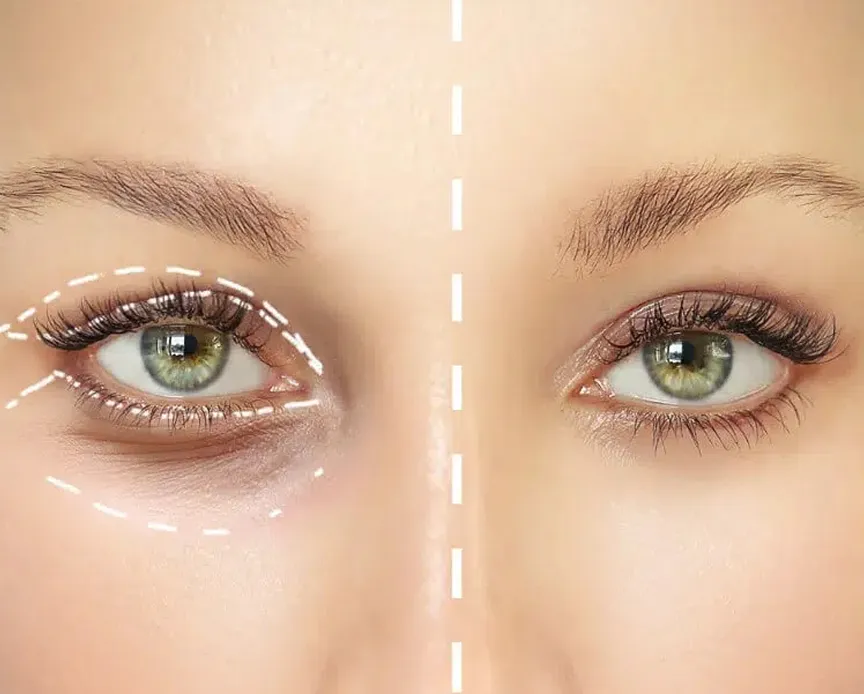
What Causes Hooded Eyelids
Excess Skin
With age, the upper eyelid skin loses elasticity and stretches, creating a fold that sits over the crease. This is known clinically as dermatochalasis.
Brow Descent
As the brow lowers over time, it pushes skin down onto the upper eyelid, often making hooding more pronounced at the outer corners.
Fat Changes
The fat pads behind the upper eyelid can bulge forward as the supporting tissues weaken, adding fullness above the crease.
Genetics
Some people inherit a naturally low brow or fuller upper eyelids, so hooding can appear from a young age.
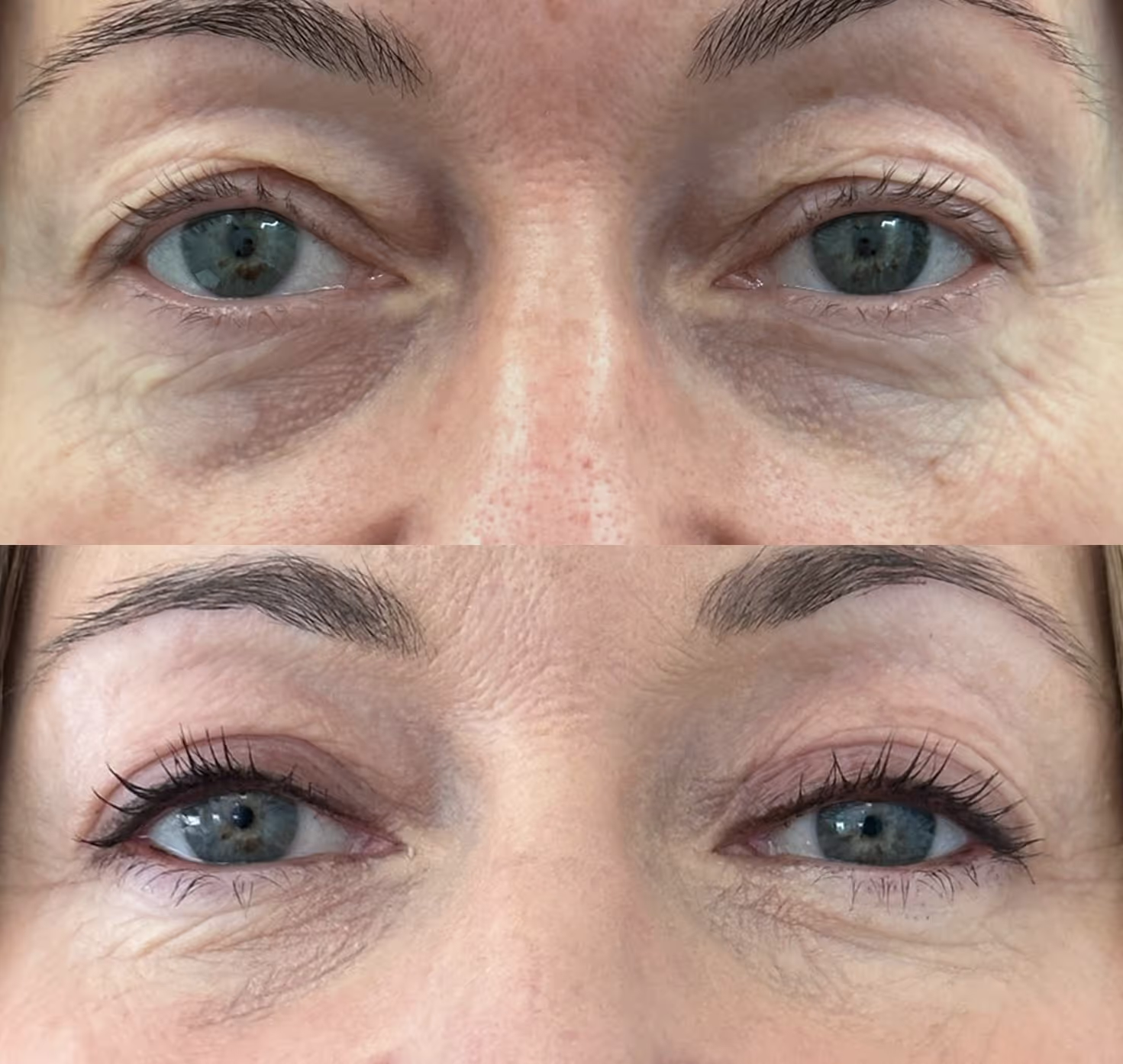
Upper Eyelid Blepharoplasty
The gold standard surgical correction for hooding, sagging and tired-looking eyes, performed under local anaesthesia in under an hour.
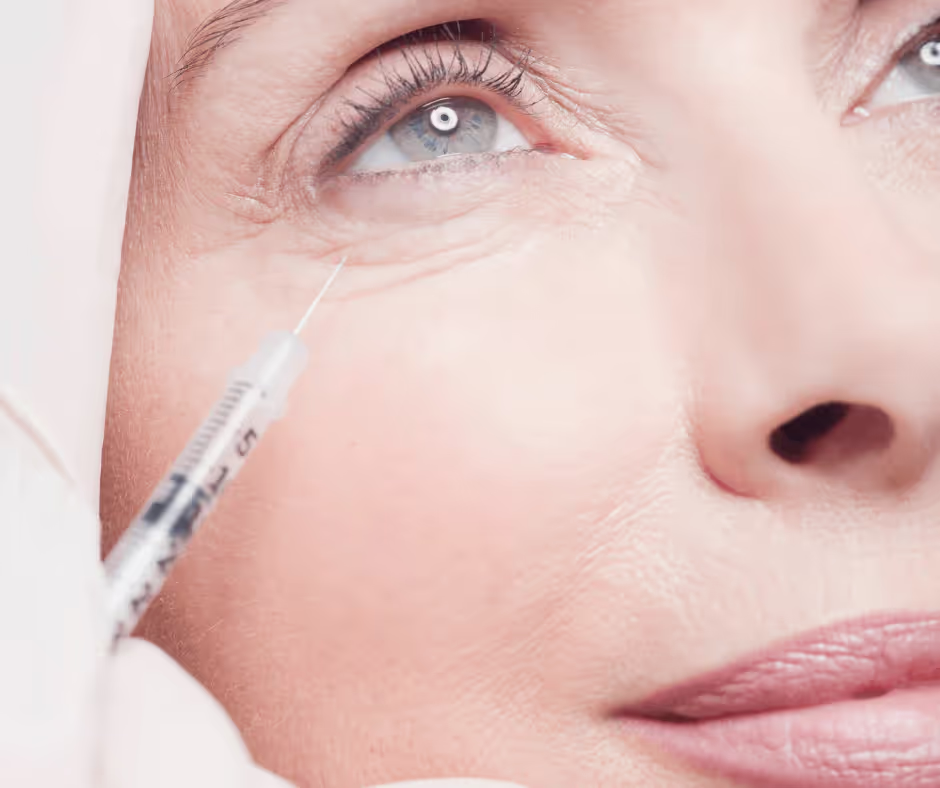
Eye Tight
A synergy of ablative CO2 laser and mesotherapy to tighten and brighten the delicate skin around the eyes.
Your Treatment Journey
Consultation
Dr Zamani assesses the eyelid skin, brow position and eyelid function to determine what is causing the hooding and which approach is most appropriate.
Treatment
Upper eyelid surgery is performed at a Chelsea Day Hospital with same-day discharge. For milder hooding, a non-surgical brow lift may be recommended.
Recovery & Review
Swelling and bruising typically settle within one to two weeks. A follow-up review is arranged to check healing and assess the final result.
“I had a great experience with Dr Zamani. I was able to describe what I was hoping to achieve and received expert, experienced and credible advice on what would and wouldn't be effective.”
— Patient Testimonial, The Clinic
Frequently Asked Questions
Hooded eyelids are usually caused by a combination of excess upper eyelid skin, a lowering brow and changes in the fat around the eye. Age is the most common factor, but genetics mean some people notice hooding from their twenties or thirties
Hooded eyelids are caused by excess skin or a lowered brow sitting over the eyelid, while a droopy eyelid (ptosis) is caused by the eyelid muscle itself sitting too low. The two can occur together, and the distinction matters because they are corrected with different procedures
Mild hooding caused by a lowered brow can sometimes be improved with non-surgical treatments that lift the brow. Where there is significant excess skin, upper eyelid surgery is usually the only way to achieve a meaningful improvement
Yes. Significant hooding can rest on the lashes and reduce the upper field of vision. Some patients notice their eyes feel heavy or tired by the end of the day, or find themselves raising their eyebrows to see clearly.
Upper eyelid blepharoplasty normally takes under an hour and is performed under local anaesthetic, with patients going home the same day. Bruising and swelling usually settle within one to two weeks.
The incision for upper eyelid surgery is placed within the natural eyelid crease, so once healed the scar is typically well concealed when the eyes are open.
Results from upper eyelid surgery are long-lasting, as the excess skin that is removed does not return. The eyes will continue to age naturally, but most patients enjoy the improvement for many years.
Look for an oculoplastic surgeon, a surgeon who specialises in the eyelids and the structures around the eye. Dr Maryam Zamani is a leading oculoplastic surgeon with a special interest in facial aesthetics, practising at her clinic on the King's Road in Chelsea.
The cost depends on whether surgery, brow lifting or a combination is recommended. Prices for each treatment are shown on the individual treatment pages, and your personalised plan and costs are confirmed after consultation.