.avif)


Sun Damage and Age Spots
Medical-grade treatment for sun damage and age spots at Dr Maryam Zamani's Chelsea clinic, tailored to your skin type and concerns.
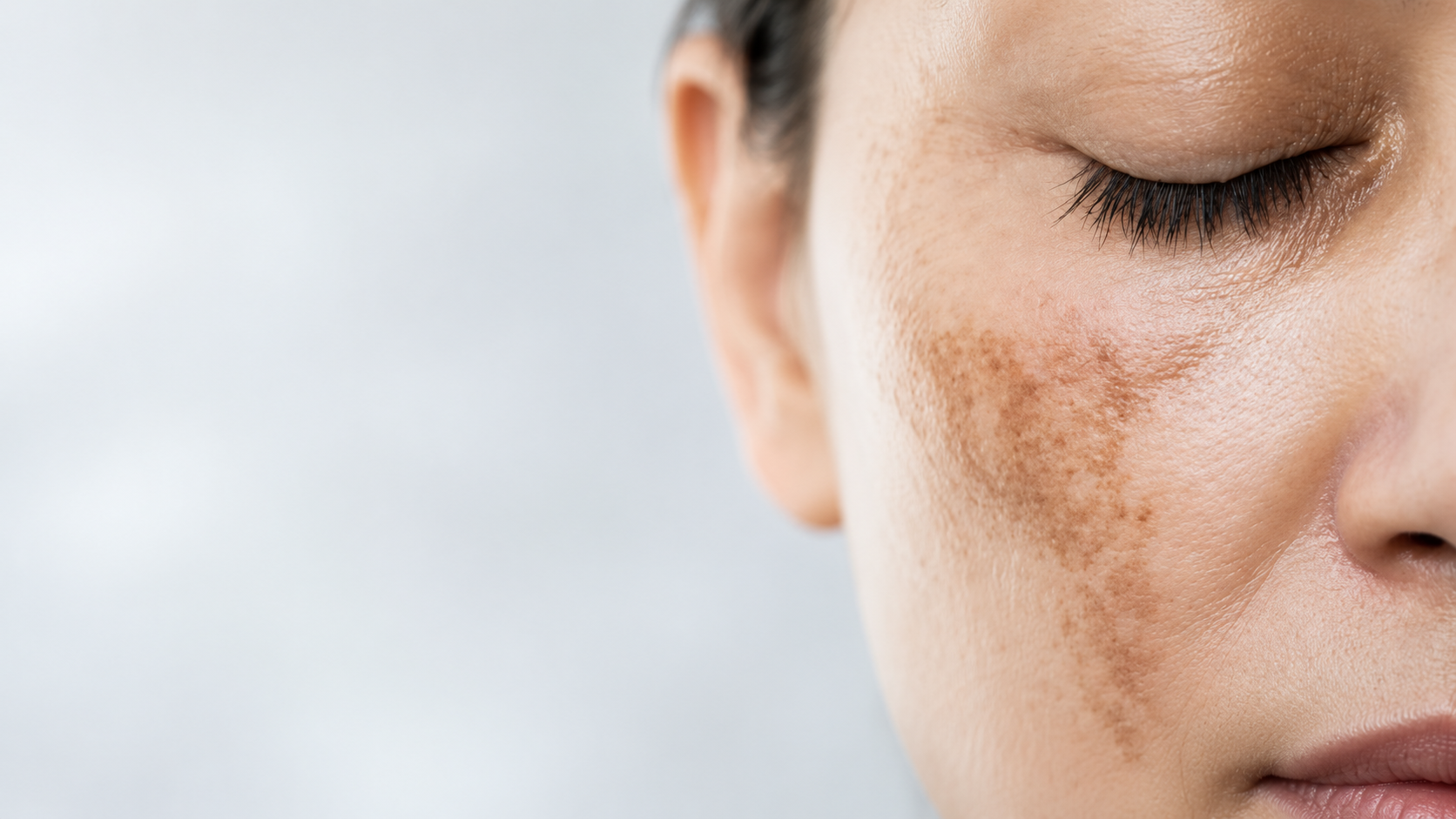
Treatment for Sun Damage and Age Spots in London
Sun damage, also known as photodamage, is the cumulative effect of years of UV exposure on the skin that appear as age spots, uneven skin tone, redness, broken capillaries, fine lines and a rougher texture, most often on the face, neck, chest and hands.
Age spots, also called sun spots or solar lentigines, are flat brown marks that develop in areas of repeated sun exposure. They are harmless, but any spot that changes in size, shape or colour should be checked by a doctor to rule out skin cancer.
The Clinic uses a range of light and laser technologies to target pigment, redness and texture, often combining treatments to address the full picture of sun-damaged skin. Spots are assessed before treatment, and mole mapping is available where there is any concern.
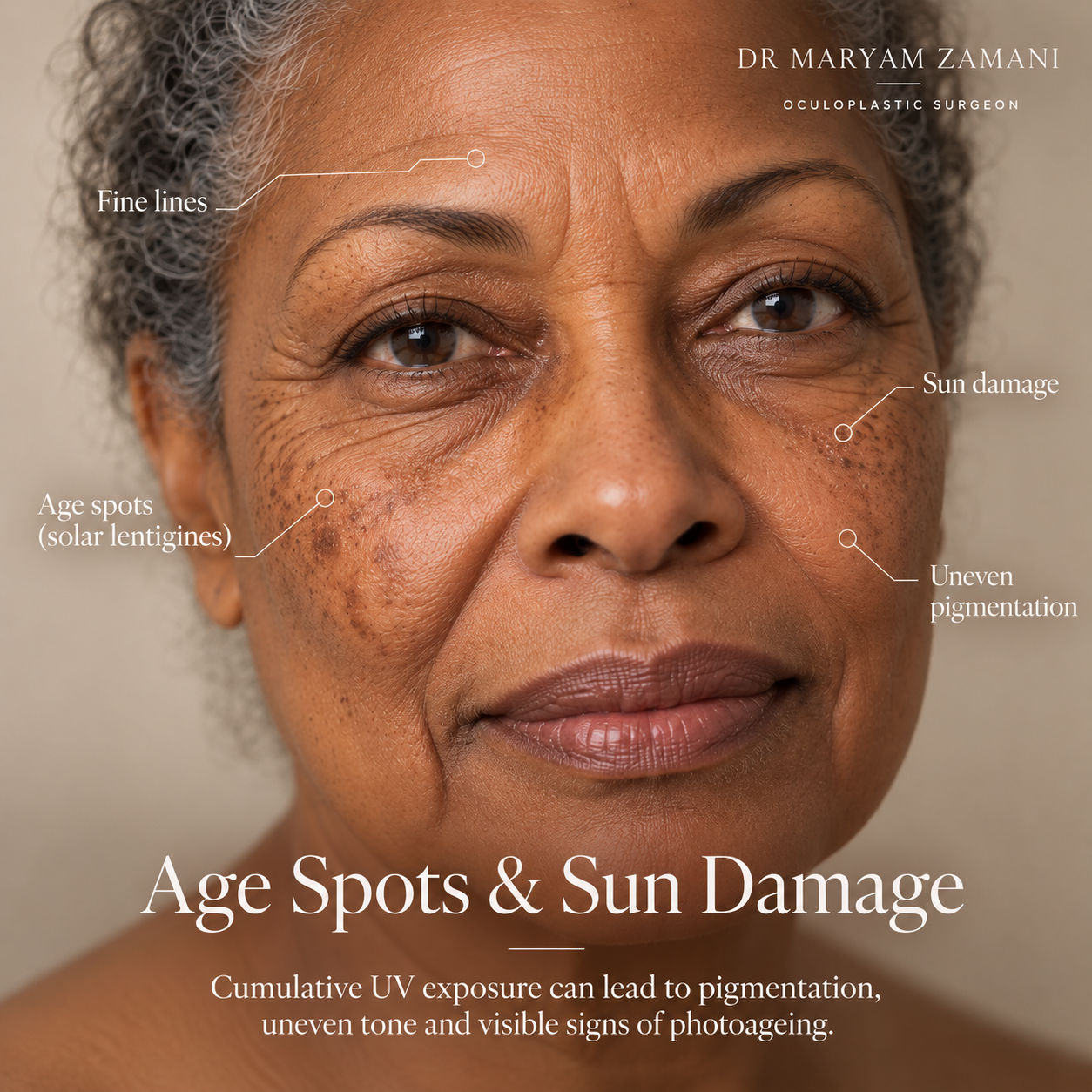
What Causes Sun Damage
UV Exposure
UVA and UVB rays damage the skin's DNA, collagen and pigment cells, with the effects building up over many years.
Pigment Overproduction
Repeated sun exposure causes pigment cells to produce excess melanin in clusters, forming age spots.
Collagen Breakdown
UV light degrades collagen and elastin, leading to fine lines, laxity and a rougher texture.
Vascular Damage
Sun exposure weakens small blood vessels, contributing to redness and broken capillaries.
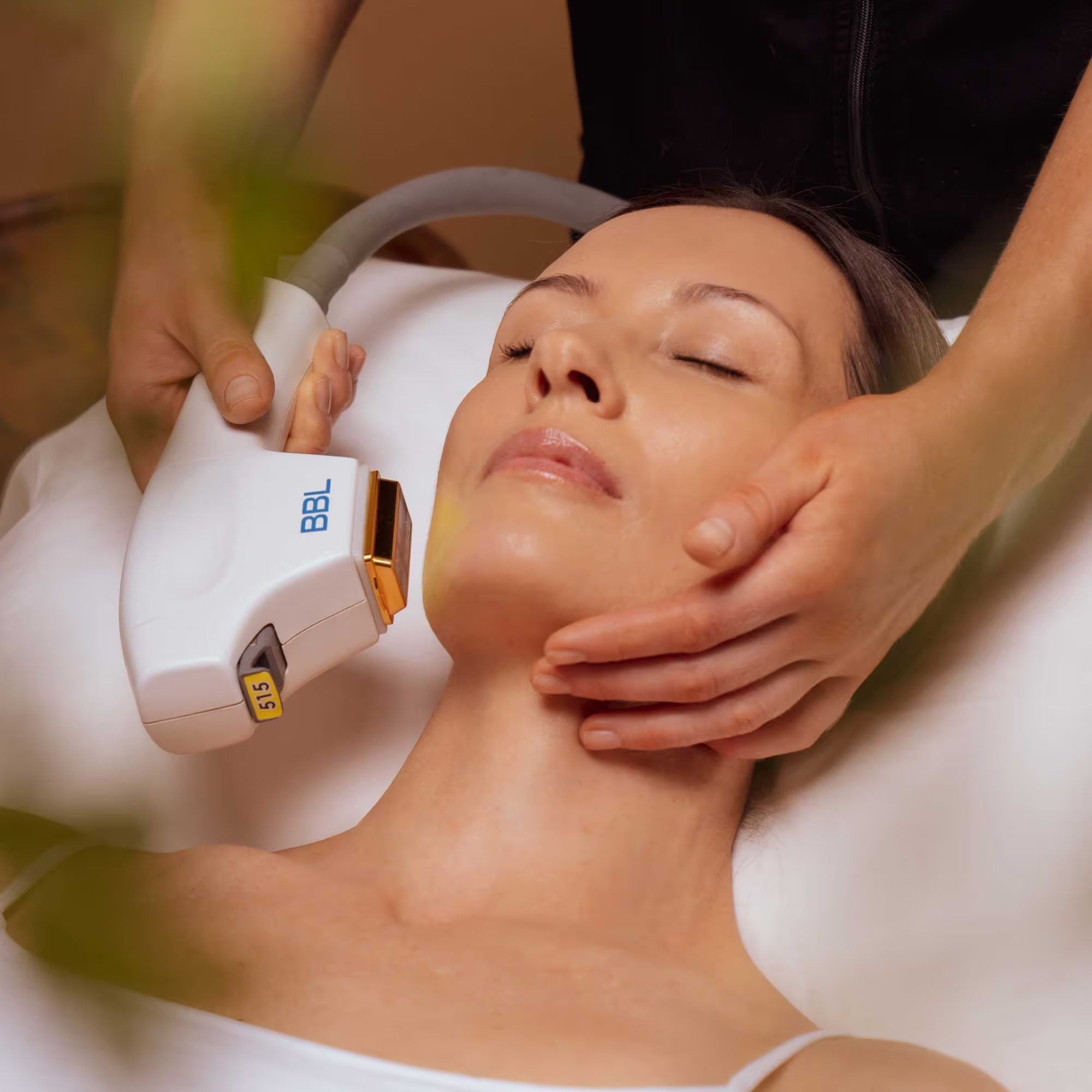
BBL™
BroadBand Light (BBL) targets pigmentation, sunspots, and visible veins while stimulating collagen and elastin to improve skin texture and firmness.
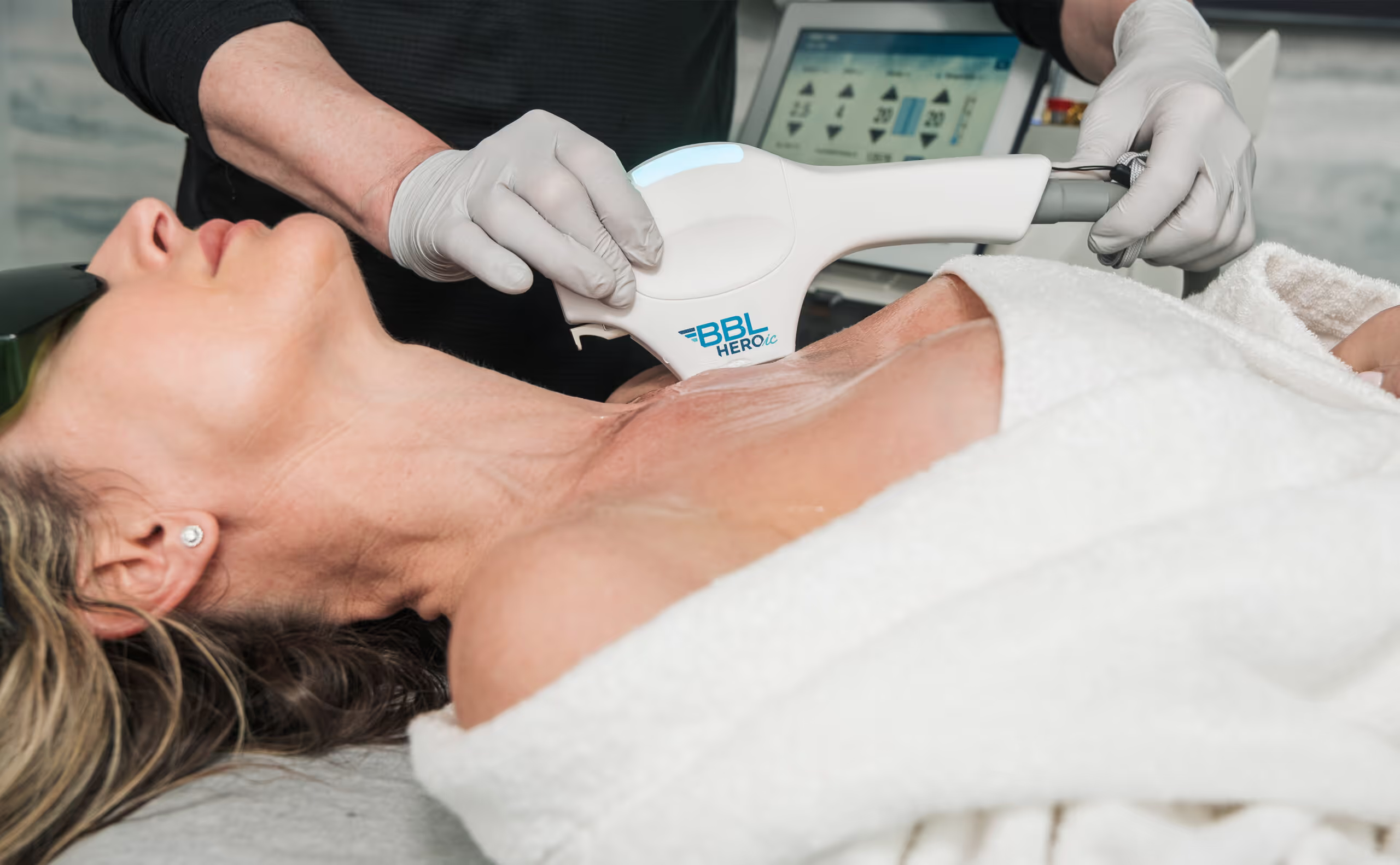
BBL HEROic
BBL HEROic improves skin tone and texture, targeting pigmentation, redness, sun damage and early ageing while stimulating collagen production with minimal downtime.
Halo™ Laser
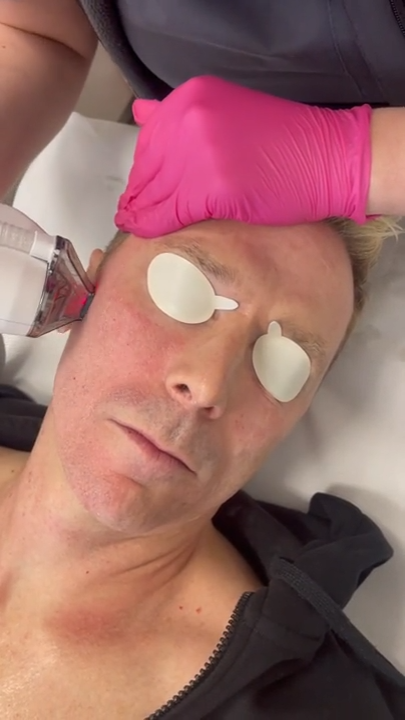
Halo is a hybrid fractional laser that stimulates collagen, reduces wrinkles, sun damage, pigmentation, redness, and enlarged pores, improving overall skin texture and firmness.

MOXI™
MOXI™ rejuvenates skin, improving texture, pigmentation, fine lines, and pores with gentle, non-ablative laser technology suitable for all skin types.

Cryotherapy
Cryotherapy uses liquid nitrogen to safely freeze and remove verrucas, benign skin growths, and sun-damaged lesions, promoting healthy skin regeneration.
CO2 Laser
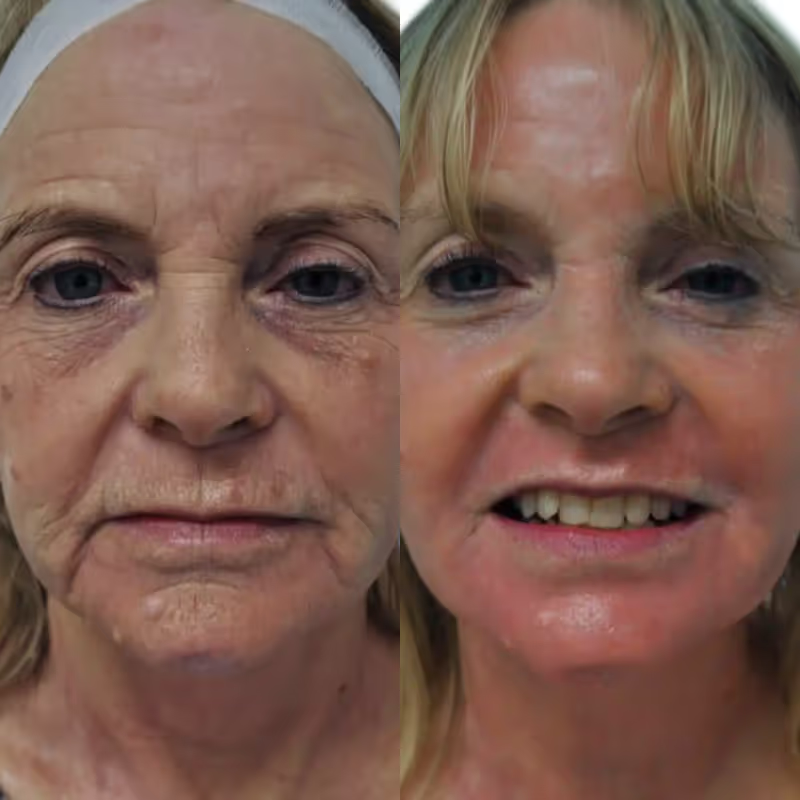
AcuPulse CO2 laser resurfaces skin, tightens wrinkles, improves acne scars, pigmentation, sun damage, and stimulates collagen for firmer skin with reduced downtime.
Your Treatment Journey
Consultation
Your skin is assessed for pigmentation, redness and textural damage, and any spots of concern are examined before a treatment plan is agreed.
Treatment
Light and laser treatments are performed at the Chelsea clinic. Depending on the technology, a single session or a short course may be recommended.
Recovery & Review
Treated spots typically darken and flake away within one to two weeks. Mild redness or swelling may occur and settles quickly. Results are reviewed at follow-up.
“I had a great experience with Dr Zamani. I was able to describe what I was hoping to achieve and received expert, experienced and credible advice on what would and wouldn't be effective.”
— Patient Testimonial, The Clinic
Frequently Asked Questions
Age spots are flat, brown marks that appear on areas of skin with the most sun exposure, such as the face, hands, chest and shoulders. They are also known as sun spots, liver spots or solar lentigines, and are caused by years of UV exposure rather than age alone.
Age spots themselves are benign, but they can look similar to other skin lesions. Any new spot, or one that changes in size, shape or colour, should be assessed by a doctor.
Common signs include age spots, uneven skin tone, redness, broken capillaries, fine lines and a rough or leathery texture. These changes often appear gradually from the thirties onwards.
Light-based treatments such as BBL are highly effective for age spots, redness and uneven tone, while fractional lasers such as Halo, CO2 and MOXI also improve texture and fine lines. The best option depends on your skin type and the extent of damage.
This depends on the extent of damage and the technology used. Some age spots respond to a single session, while wider sun damage often benefits from a short course followed by maintenance treatment.
Treated spots are usually removed successfully, but new ones can form with further sun exposure. Daily broad-spectrum sun protection and occasional maintenance treatment help keep the skin clear.
Yes. Light and laser treatments can be used on the neck, chest, arms and hands as well as the face, which are common areas for age spots and uneven tone.
Autumn and winter are often preferred, as sun exposure should be avoided before and after light and laser treatment. Daily broad-spectrum sun protection is essential to maintain results.
The cost depends on the area treated, the technology used and the number of sessions recommended. Prices for each treatment are shown on the individual treatment pages, and your personalised plan and costs are confirmed after consultation.