.avif)


Under-Eye Bags
Expert assessment and correction of under-eye bags by oculoplastic surgeon Dr Maryam Zamani, at her Chelsea clinic.
Treatment for Under-Eye Bags in London
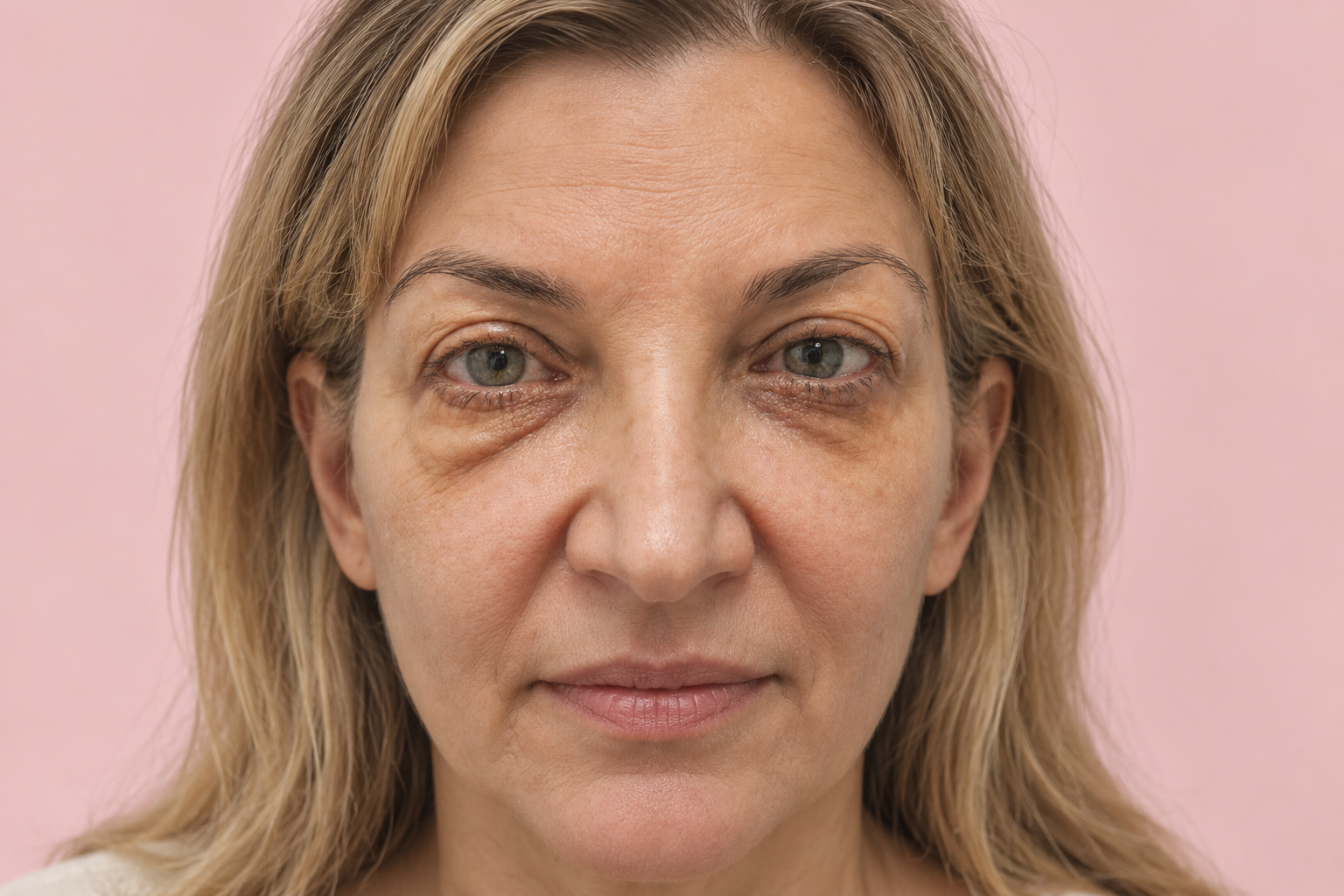
Under-eye bags are a fullness or bulge beneath the lower eyelid that can make the face look tired, however well rested. They are often most noticeable in the morning, under overhead lighting and in photographs.
In most cases, persistent bags or puffy eyes are caused by fat herniation. Because the problem is structural, it does not usually respond to creams, sleep or lifestyle changes. Temporary puffiness from fluid retention or allergies behaves differently and is assessed separately at consultation.
Dr Maryam Zamani is an oculoplastic surgeon with particular expertise in the lower eyelid. Treatment focuses on removing or repositioning the protruding fat to create a smooth transition between the lower eyelid and cheek, so the eye looks refreshed without appearing hollow.
What Causes Under-Eye Bags
Fat Prolapse
The fat that cushions the eye is held in place by a thin membrane. As this weakens with age, the fat bulges forward beneath the lower eyelid.
Skin Laxity
Loss of collagen and elastin allows the lower eyelid skin to stretch, making any underlying fullness more visible.
Fluid Retention
Salt, alcohol, poor sleep and allergies can cause temporary puffiness that tends to fluctuate through the day.
Genetics
Prominent under-eye bags often run in families and can appear in the twenties, thirties or later.
Lower Eyelid Blepharoplasty
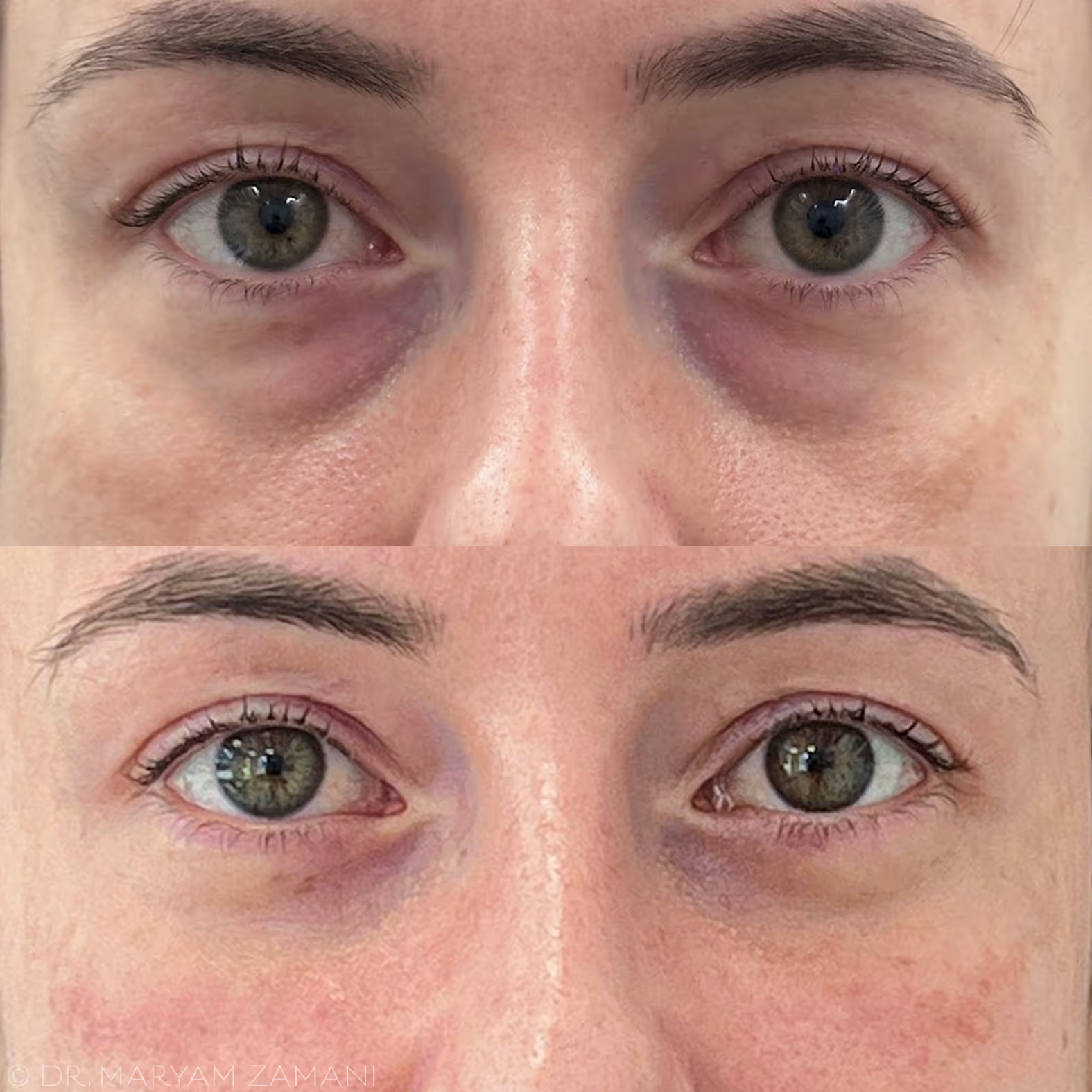
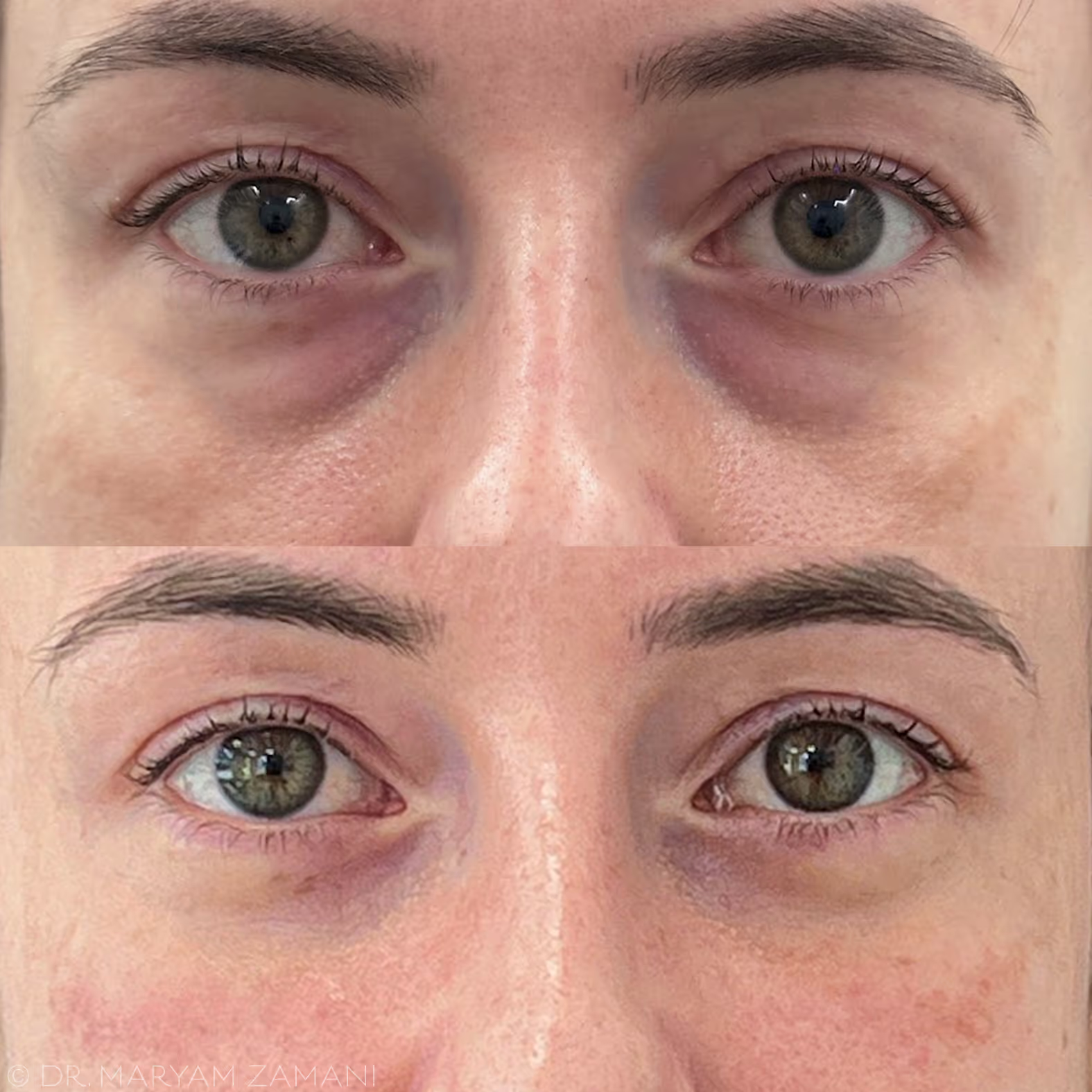
Lower eyelid blepharoplasty removes or repositions excess skin and fat to reduce under-eye bags, sagging, and tiredness, restoring a smoother, youthful appearance.
Combined Blepharoplasty
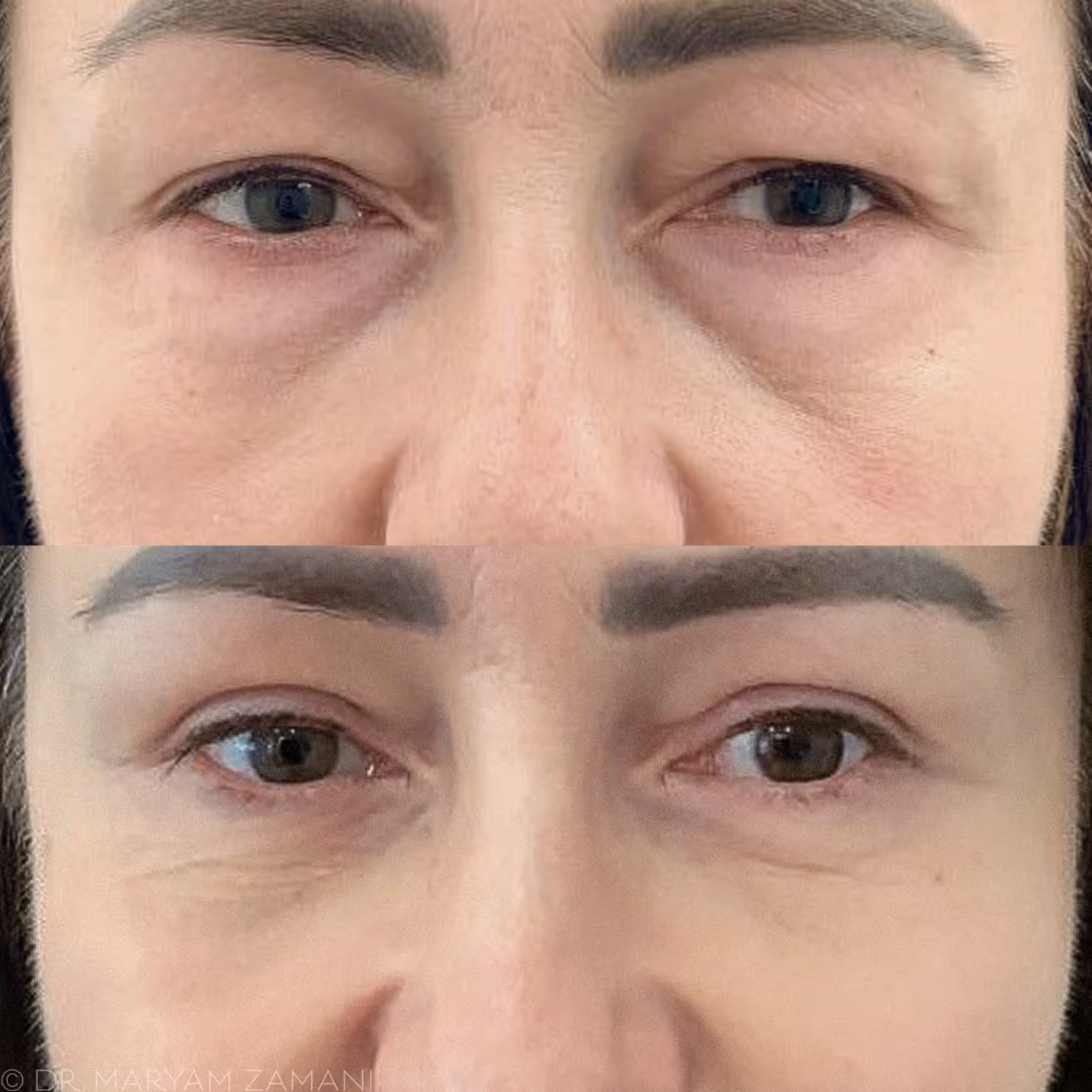
Combined blepharoplasty treats upper and lower eyelids in one procedure, lifting hooded lids, reducing under-eye bags, and rejuvenating the eye area.

Blepharoplasty With Laser Resurfacin
Combines eyelid surgery and laser resurfacing to refine eyelid contours, improve skin texture and elasticity, and restore a natural, refreshed appearance
Your Treatment Journey
Consultation
Dr Zamani examines the lower eyelid, fat position, skin quality and the junction with the cheek to determine the cause of the bags and whether surgery is appropriate.
Treatment
Lower eyelid surgery is performed at a Chelsea Hospital with same-day discharge. Laser resurfacing may be combined to improve fine lines and skin texture at the same time.
Recovery & Review
Swelling and bruising typically settle within one to two weeks, with the result continuing to refine over the following months. A follow-up review is arranged to check healing.
“I had a great experience with Dr Zamani. I was able to describe what I was hoping to achieve and received expert, experienced and credible advice on what would and wouldn't be effective.”
— Patient Testimonial, The Clinic
Frequently Asked Questions
Persistent bags under the eyes are most often caused by fat around the eye bulging forward as the supporting tissues weaken with age. Skin laxity, genetics and fluid retention can all make them more noticeable
Creams and sleep can reduce temporary puffiness, but they cannot move or remove fat. If your bags are present every day regardless of how you sleep, they are likely to be structural and need a medical assessment.
Under-eye bags are caused by excess fullness beneath the eye, whereas a tear trough is a hollow or groove where the lower eyelid meets the cheek. They often appear together, and treating one without considering the other can make the result look unbalanced.
No, filler does not remove under-eye bags. It can soften a hollow beneath a bag in selected patients, but it can worsen puffiness if used inappropriately. Where there is true fat prolapse, lower eyelid surgery is usually the more effective option.
Lower eyelid blepharoplasty removes or repositions the fat that causes under-eye bags and, where needed, tightens the lower eyelid skin. The procedure normally takes around an hour, and patients go home the same day.
The incision for upper eyelid surgery is placed within the natural eyelid crease, so once healed the scar is typically well concealed when the eyes are open.
Most bruising and swelling settles within one to two weeks, and the final result continues to refine over several months. Dr Zamani will review your healing at follow-up.
Results from upper eyelid surgery are long-lasting, as the excess skin that is removed does not return. The eyes will continue to age naturally, but most patients enjoy the improvement for many years.