.avif)


Melasma
Specialist management of melasma at The Clinic by Dr Maryam Zamani in Chelsea, recommended in the Tatler Beauty Guide 2026 for deep pigmentation.
Melasma Treatment in London
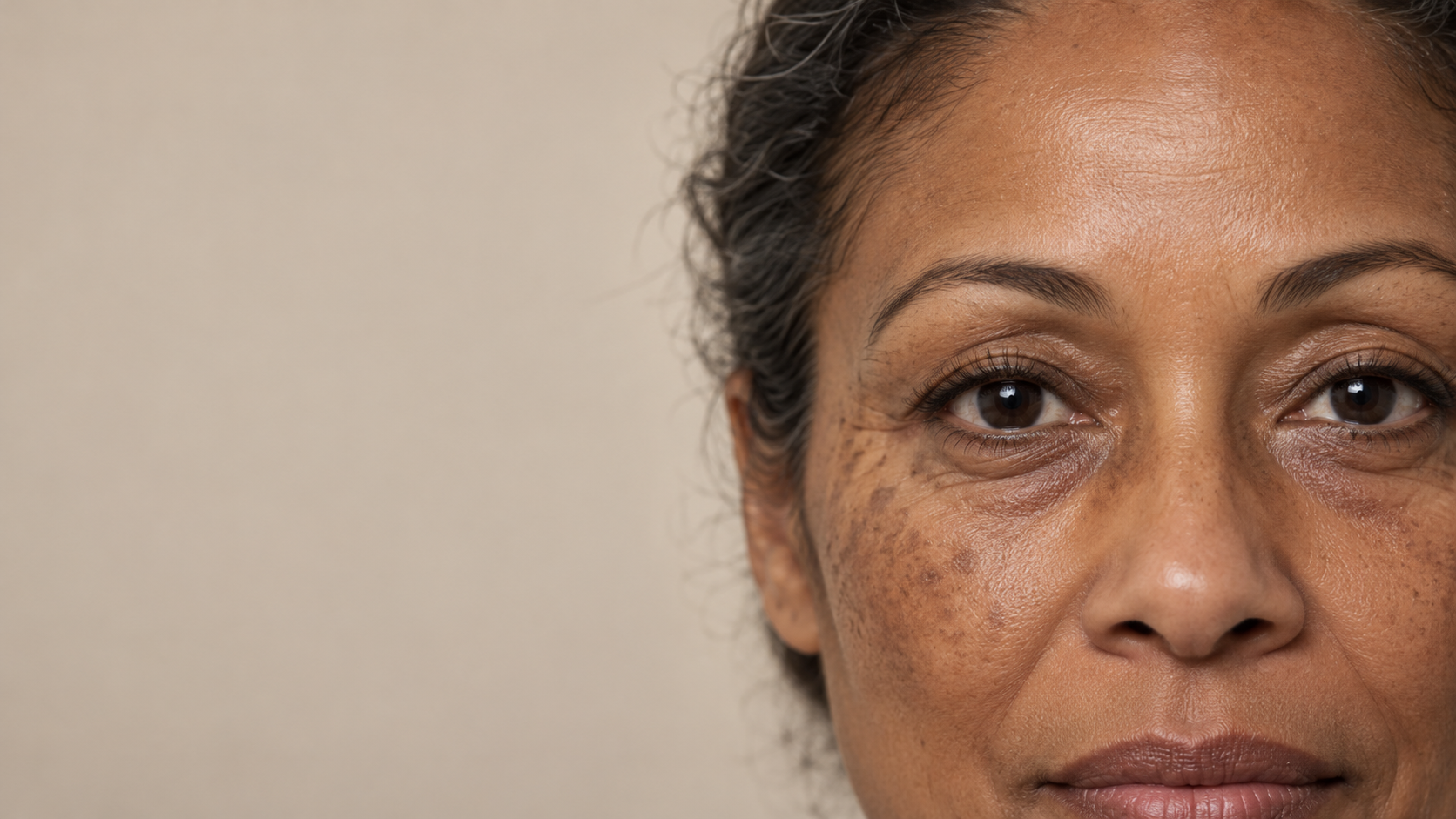
Melasma is a common form of pigmentation that appears as patches of brown or grey-brown colour, most often on the cheeks, forehead, upper lip and nose. It frequently develops in a symmetrical pattern on both sides of the face.
Melasma is driven by a combination of hormones, sunlight and genetics, and it is more common in women and in medium to deeper skin tones. It is a chronic condition that can recur, so effective care focuses on long-term control rather than a single treatment. Because some heat-based lasers can make melasma worse, treatment selection requires particular care.
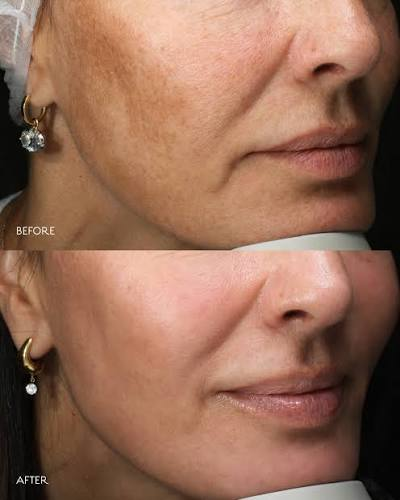
The Clinic offers a range of medical-grade depigmentation treatments for melasma, including specialist peels, injectable tranexamic acid and a dedicated melasma protocol. Each plan is combined with a tailored skincare and sun protection routine to maintain results.
What Causes Melasma
Hormonal Changes
Pregnancy, the contraceptive pill and hormone therapy can all trigger melasma, which is why it is sometimes called the mask of pregnancy.
Sun and Visible Light
UV and visible light stimulate pigment cells, and even brief sun exposure can darken existing patches.
Genetics
Melasma often runs in families and is more common in skin types that produce pigment more readily.
Heat and Inflammation
Heat, irritation and some cosmetic treatments can aggravate pigment cells and make melasma more pronounced. This includes sauna, steam and hot yoga.
Melasma Protocol
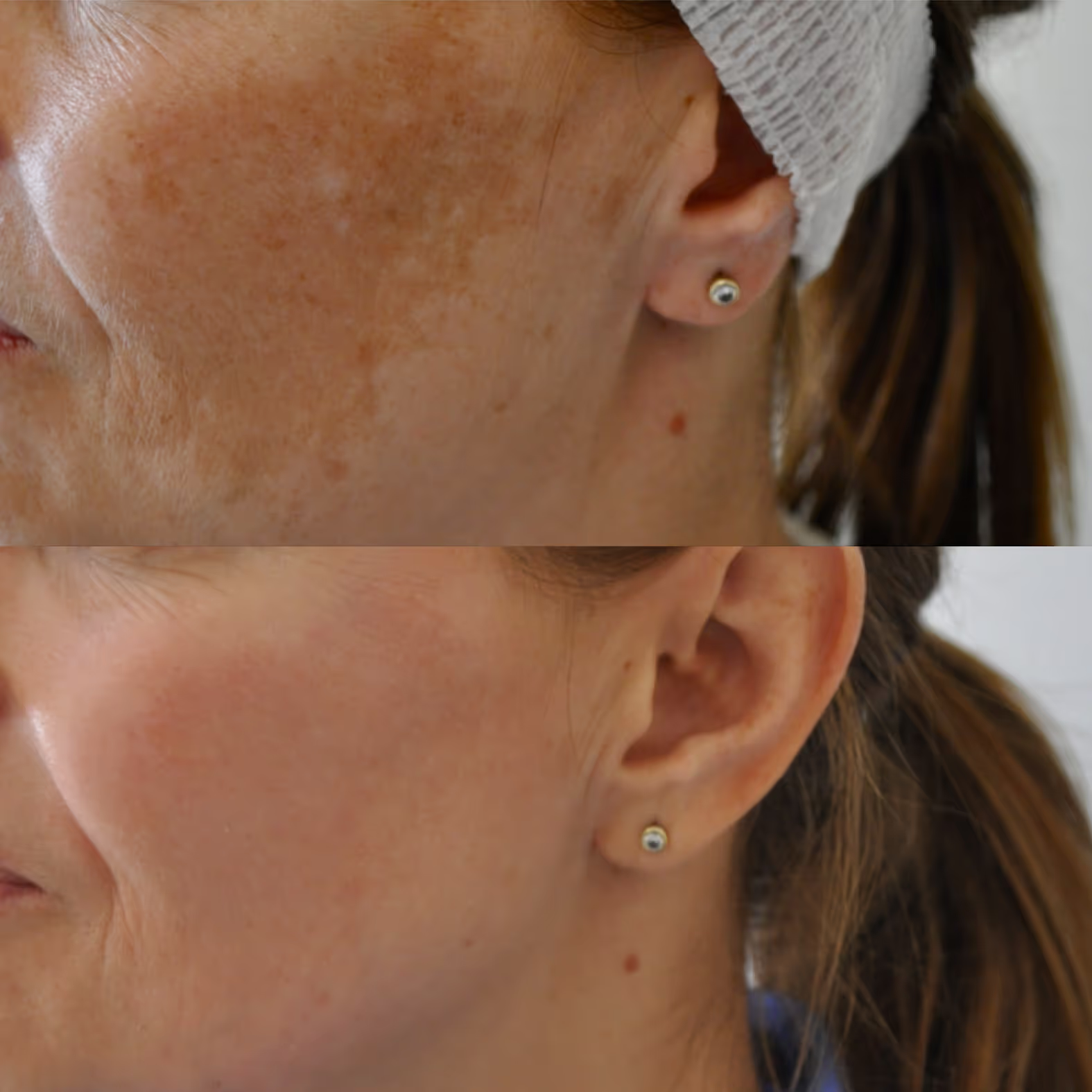
A pioneering, laser-led protocol targeting stubborn melasma and hyperpigmentation, reducing sun damage, regulating skin health, and promoting lasting clarity and an even complexion.
Tranexamic Acid for Melasma
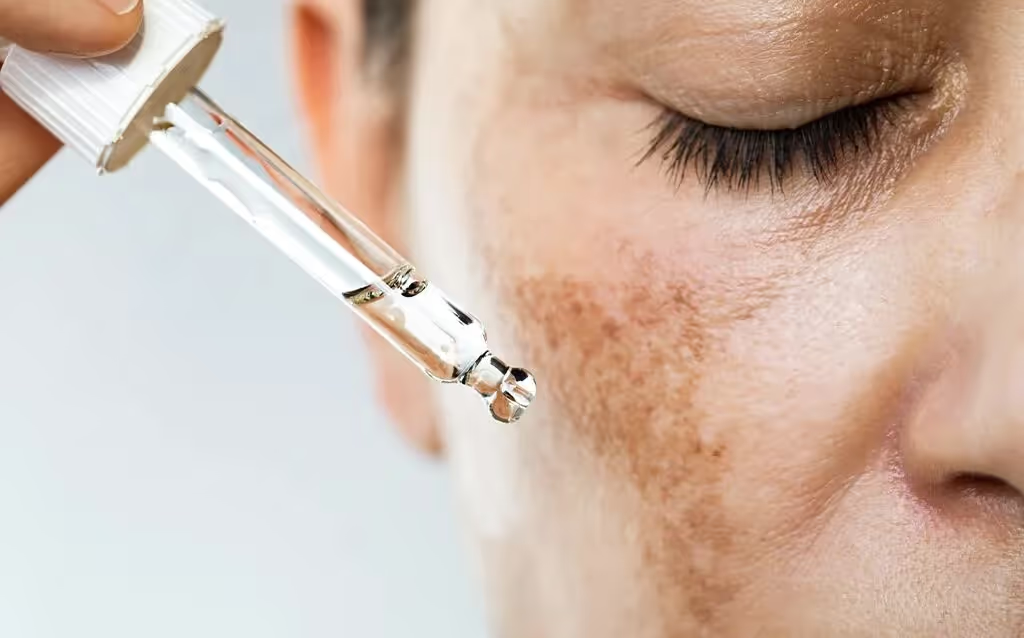
Injectable tranexamic acid helps gradually reduce melasma and pigmentation across all skin types, promoting a more even, balanced skin tone.
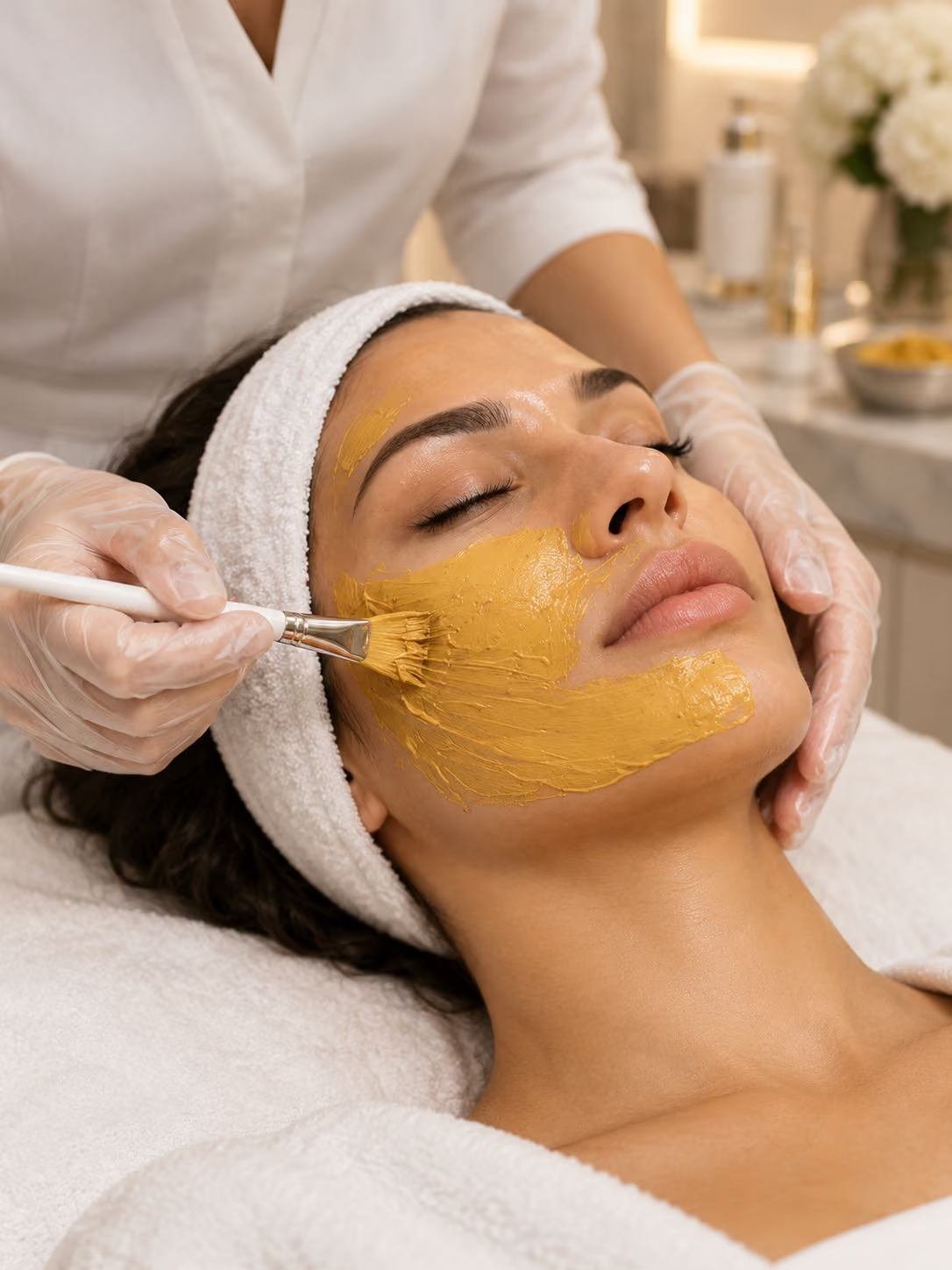
Cosmelan Depigmentation
Cosmelan® is a professional depigmentation treatment that targets melasma, sun damage, age spots and uneven skin tone, reducing excess melanin for a brighter, clearer complexion.
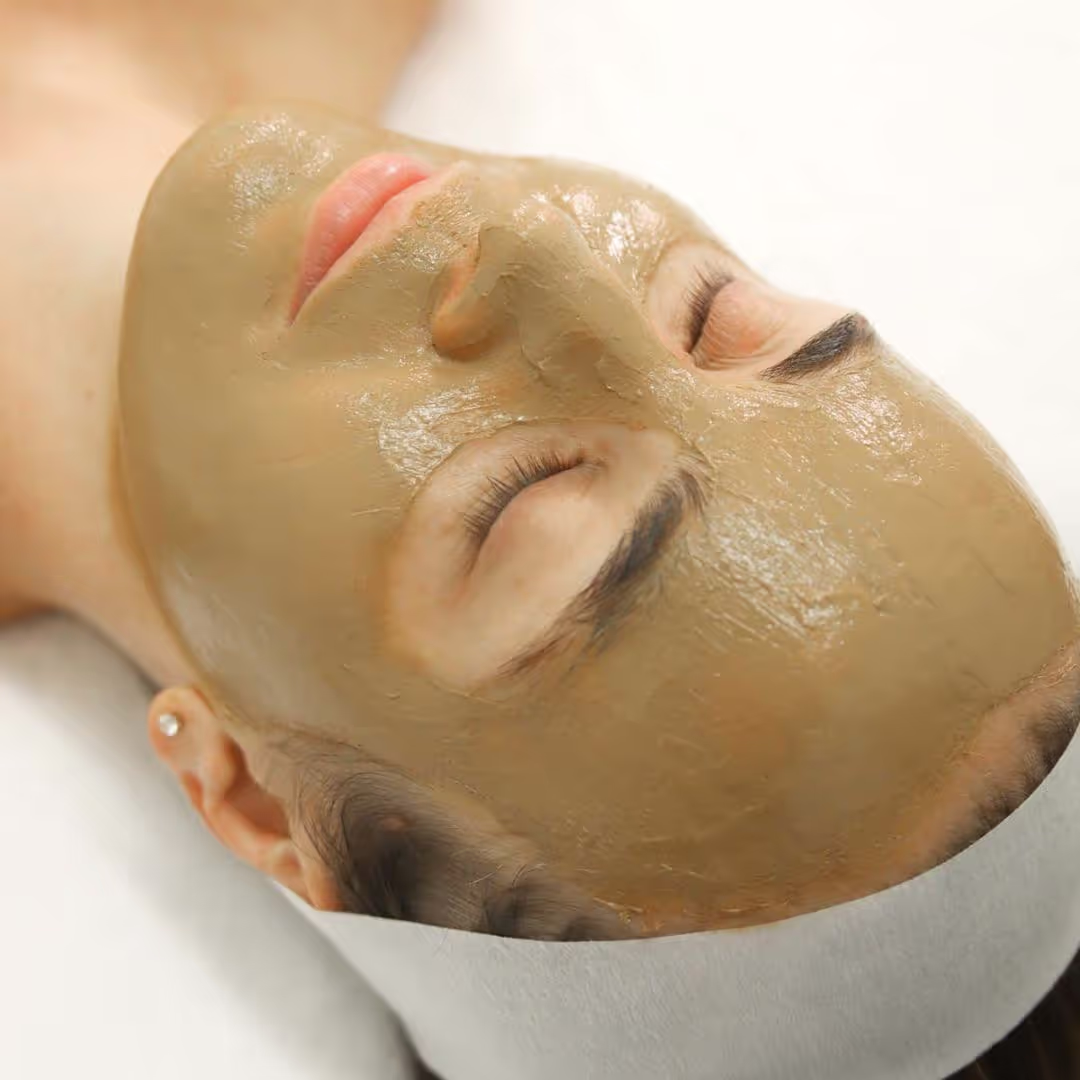
Dermamelan Depigmentation Peel
Dermamelan is a medical peel that targets hyperpigmentation, melasma, acne scarring and sun damage, revealing clearer, more even-toned skin across all skin types.
Your Treatment Journey
Consultation
The type, depth and pattern of pigmentation are assessed alongside your medical history, hormonal factors and skin type to confirm the diagnosis and build a treatment plan.
Treatment
Treatments are performed at the Chelsea clinic and are typically combined with a home skincare routine. Most plans involve a course of treatment over several weeks.
Recovery & Review
Depending on the treatment, some redness, dryness or peeling may occur in the days that follow. Regular reviews track progress and adjust the plan to keep pigmentation under control.
“I had a great experience with Dr Zamani. I was able to describe what I was hoping to achieve and received expert, experienced and credible advice on what would and wouldn't be effective.”
— Patient Testimonial, The Clinic
Frequently Asked Questions
Melasma is a chronic pigmentation condition that causes brown or grey-brown patches, usually on the cheeks, forehead, upper lip and nose. It is most common in women and is often triggered by hormonal changes and sun exposure.
Melasma is caused by overactive pigment cells, usually triggered by a combination of hormones, UV and visible light, and genetics. Pregnancy, the contraceptive pill and hormone therapy are common triggers, and heat can make it worse.
Melasma usually appears as larger, symmetrical patches on both sides of the face and is linked to hormones. Sun spots, by contrast, are smaller, individual marks caused by sun exposure. The two need different treatment approaches, so an accurate diagnosis is important.
Melasma cannot be permanently cured, and can go through cycles but it can be significantly improved and kept under control with the right combination of treatment, skincare and daily sun protection.
There is no single best treatment for melasma. The most effective approach usually combines in-clinic treatment, such as depigmentation peels, lasers and tranexamic acid, with prescription-strength skincare and strict daily sun protection.
Some lasers can worsen melasma by generating heat in the skin. Treatment is chosen carefully based on your skin type and the depth of pigmentation, and depigmentation peels or tranexamic acid are often preferred.
Daily broad-spectrum sunscreen is essential, ideally a tinted formula that also protects against visible light. Avoiding heat, following your maintenance skincare routine and attending regular reviews all help keep melasma under control.
Many melasma treatments are not suitable during pregnancy or breastfeeding. Treatment is usually best started once hormone levels have settled, and this will be discussed at consultation.
The cost depends on the treatment or combination recommended and the length of your course. Prices for each treatment are shown on the individual treatment pages, and your personalised plan and costs are confirmed after consultation.