.avif)


December 18, 2025
Different Types of Skin Pigmentation: Causes & Treatments
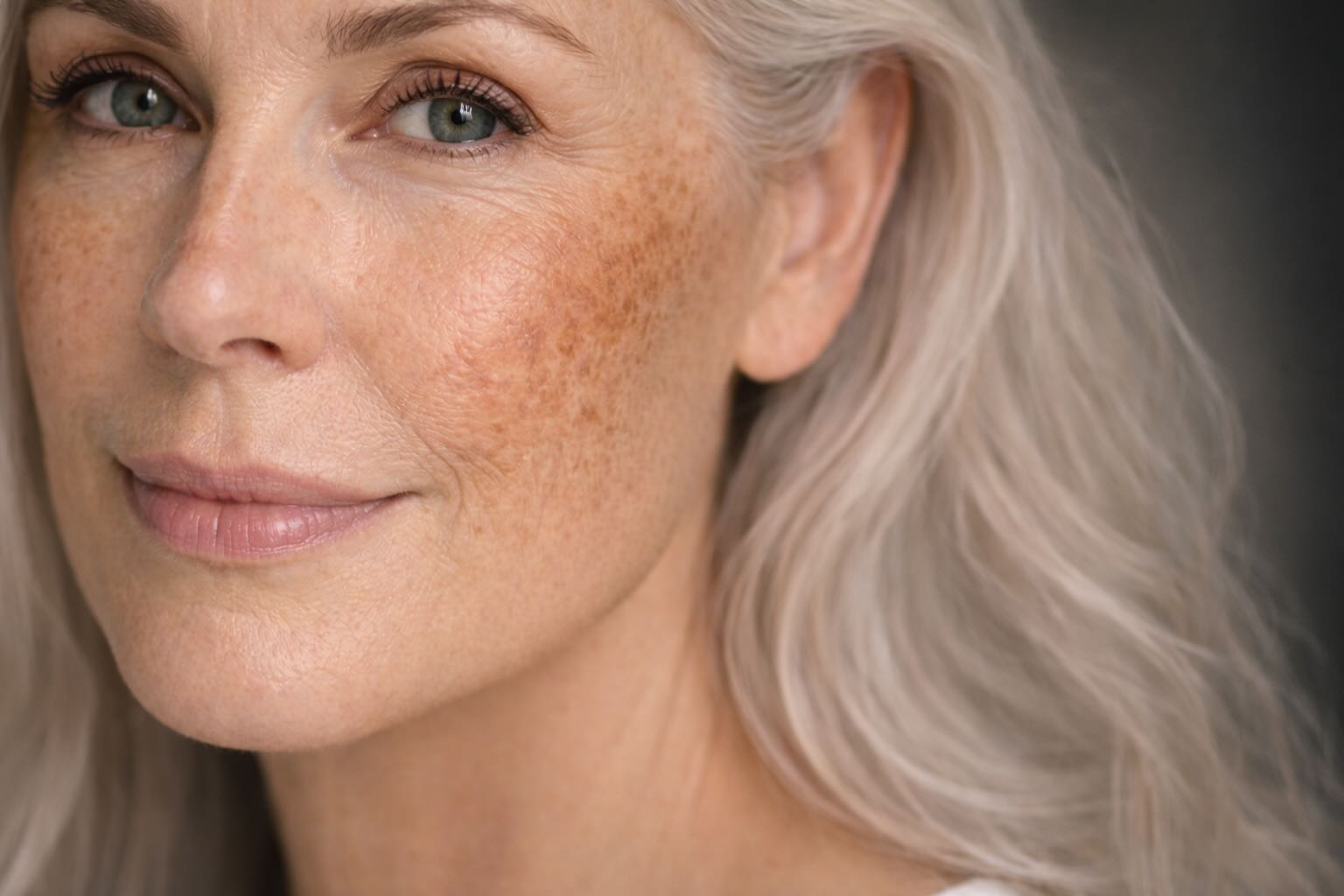
Pigmentation is one of the most common skin concerns we see at The Clinic. Many patients also look for clarity on why it develops and which treatments genuinely work long-term. But what are the different types of skin pigmentation, and what can we do about them?
According to Dr Maryam Zamani, leading eyelid surgeon and facial aesthetics doctor, pigmentation can emerge from things like UV exposure, hormonal changes or inflammation, and each type requires a tailored approach.
Understanding these distinctions is key to choosing the best treatment for melasma on the face, and for understanding the most suitable laser treatment for pigmentation. In this guide, Dr Zamani explains the different types of skin npigmentation, how they form and what causes them, and which evidence-based skincare and in-clinic treatments can improve pigment while minimising the risk of recurrence.
Types of Pigmentation
1. Sun-Induced Pigmentation (Solar Lentigines)
Often called sunspots or age spots, these dark patches are caused by cumulative UV exposure.
UV rays stimulate melanocytes, prompting them to overproduce melanin, which collects in visible patches. This form of pigmentation responds well to options such as peels, light-based devices and targeted laser treatment for dark spots, particularly in lighter skin tones.
Dr Zamani’s recommendation: Brighten & Perfect 10% Vitamin C Corrective Serum
2. Melasma
Melasma, which Dr Zamani has personally experienced, appears as symmetrical brown patches on the cheeks, forehead, jawline or upper lip. It is strongly linked to hormonal fluctuations - pregnancy, oral contraceptives or other hormonal shifts, and is often worsened by UV exposure and heat. Dr Zamani has her own personal experience with Melasma during her pregnancy, and has designed a pioneering treatment plan for those having the same experience as her.
Melasma involves:
- Overactive melanocytes
- Vascular and dermal changes
- A tendency to recur
Determining the best treatment for melasma on the face requires specialist assessment, as melasma is notoriously reactive and needs a gentle, long-term management approach.
Dr Zamani’s recommendation: Melasma Protocol
3. Post-Inflammatory Hyperpigmentation (PIH)
PIH appears after inflammation or injury, from acne, eczema, bites, trauma or harsh cosmetic procedures. The deeper the inflammation, the darker and longer-lasting the pigment.
PIH is especially common in darker skin tones, and cautious, non-irritating treatment strategies are essential.
How Does Pigmentation Develop?
Regardless of the trigger, whether it’s sun, hormones or inflammation, pigmentation follows a similar process:
- A trigger activates melanocytes.
- Melanocytes produce excess melanin.
- Melanin is transferred into surrounding skin cells.
- Pigment accumulates in the skin’s upper (epidermal) or lower (dermal) layers.
The depth of melasma determines whether topical skincare, peels or laser treatment for dark spots will be most effective.
Can Skincare Improve Pigmentation?
Yes, most definitely! MZ SKIN uses science-led, evidence-based topical ingredients that significantly reduce pigmentation by inhibiting melanin production, increasing cell turnover or reducing inflammation.
Key Active Ingredients
Hydroquinone (HQ)
A gold-standard prescription agent that reduces melanin production. Best used in short cycles under medical supervision.
Azelaic Acid
A well-tolerated option for melasma and PIH, often as effective as hydroquinone.
Retinoids (Retinol, Tretinoin)
Boost cell turnover and help disperse pigment, making them valuable in combination regimens.
Tranexamic Acid (TXA)
Highly effective for melasma, available topically and orally. Addresses pigment and vascular pathways.
Other helpful ingredients
Niacinamide, Vitamin C, Kojic Acid, Cysteamine and Arbutin support brightening and even skin tone.
How Long Does It Take to See Results?
Pigmentation rarely fades quickly. Patients should expect:
- 4–8 weeks: early changes in mild superficial pigmentation
- 8–12+ weeks: improvement in melasma or deeper pigment
- Several months: sustained clearance and maintenance
Consistency and daily sun protection are essential.
Is Hydroquinone Still the Best Prescription Treatment?
Hydroquinone remains the gold standard as an effective, particularly for stubborn superficial pigmentation. However:
- It must be used under medical supervision.
- Long-term use can cause irritation or, rarely, ochronosis.
Modern alternatives, such as azelaic acid, topical tranexamic acid and cysteamine, offer strong results with fewer side effects and are suitable for long-term maintenance.
The best treatment for melasma on the face may combine prescription skincare with in-clinic therapies, depending on skin type and severity.
Effective In-Clinic Treatments for Pigmentation
Many professional treatments can enhance pigment clearance, but careful selection is essential, particularly for darker skin tones with continued skincare..
1. Chemical Peels
(Glycolic, Lactic, Low-Strength TCA)
Useful for superficial pigmentation, but must be used conservatively in darker skin types.
2. Fractional & Non-Ablative Lasers
(Picosecond, Q-Switched, MOXI, HALO)
These can effectively target pigment or stimulate remodelling.
They are often chosen when seeking the most effective laser treatment for dark spots, but expert selection is crucial to avoid rebound pigmentation.
3. IPL / BBL
Ideal for sun-induced pigmentation in lighter skin tones.
Higher PIH risk in darker phototypes.
4. Microneedling & RF Microneedling
Valuable adjuncts for PIH and melasma, with broad safety in varied skin tones in combination with other treatments or topical skincare..
The Importance of Skin Tone
Darker skin tones (Fitzpatrick III–VI) have a higher risk of post-inflammatory hyperpigmentation and require more conservative, tailored treatment plans.
Low-strength peels, tranexamic acid, microneedling and select radiofrequency devices may be safer alternatives to energy-based lasers.
Does Pigmentation Return?
Unfortunately, pigmentation, particularly melasma, can recur. Long-term maintenance is key.
Prevention and Maintenance
1. Daily UV Protection
Broad-spectrum SPF 30–50, ideally mineral-based (zinc/titanium), is non-negotiable.
2. Maintenance Skincare
Retinoids, azelaic acid, niacinamide or intermittent hydroquinone support long-term stability.
3. Hormone Review
For melasma, reviewing hormone triggers may reduce recurrence.
4. Medical Management
Oral TXA can be considered for difficult melasma cases under specialist guidance.
In Summary
Pigmentation is multifactorial and often persistent, but with expert-led treatment, from prescription skincare to targeted laser treatment for dark spots, significant improvement is achievable. Melasma, in particular, benefits from a carefully structured approach to identify the best treatment for melasma on the face, maintain results and prevent relapse.
Testimonials
Trustindex rating score: 4.7 of 5, based on 222 reviews
JT

My recent experience with the lovely Dr Maryam Zamani and her fabulous team was outstanding. Dr Maryam gave very professional and proactive...
EC
Maryam is highly skilled when it comes to injecting Botox and filler in the right places, and in the right amount. With other practitioners and doctors I have...
JB
The only one I trust for my skin since 10 years. She is truly amazing and an example for women . Very very happy about my laser treatment and her team is...
MCL
After taking my time researching plastic surgeons I decided to go to Dr. Zamani. I watched her IG often, saw what type of treatments she...
SS
I have been a patient of Dr Zamani’s for years, and to put it lightly, I will never let anyone touch my face if it isn’t her! Not only is Dr Zamani a wonderful person, her....
NC
I visited Doctor Zamani with very droopy upper eyelids and I had been thinking about surgery for sometime. I was given Doctor Zamani’s name by a friend who is in...
Different Types of Skin Pigmentation: Causes & Treatments FAQ
Which is the best treatment for skin pigmentation?
It really depends on which type of pigmentation you're dealing with, since the article breaks this down carefully rather than pointing to one universal fix. For sun-induced pigmentation (sunspots or age spots), peels, light-based devices and targeted laser treatments tend to work well, especially on lighter skin tones. For melasma, which is hormonally driven and much more reactive, the approach needs to be gentler and longer term, often combining prescription skincare with in-clinic therapies like the clinic's own Melasma Protocol. For post-inflammatory hyperpigmentation, especially in darker skin tones, cautious, non-irritating treatment matters more than going in aggressively. On the skincare side, ingredients like hydroquinone, azelaic acid, tranexamic acid and retinoids all play a role depending on depth and type. So the honest answer is that the best treatment is the one matched to your specific pigmentation type and skin tone, which is really a job for a proper in-person assessment.
Which fruit is good for pigmentation?
This isn't something the article covers, it's focused entirely on topical ingredients (Vitamin C, azelaic acid, tranexamic acid, retinoids and so on) and in-clinic treatments, not diet or specific foods. If this is a question patients are genuinely asking, I'd be cautious about adding fruit specific claims without solid backing, since pigmentation is driven by UV exposure, hormones and inflammation rather than diet in any well established way. Happy to research this properly if you want a diet and skin section added, but I wouldn't want to guess at claims here.
Which fruit is good for pigmentation?
According to the article, it comes down to three main triggers: UV exposure, hormonal changes and inflammation, and each one leads to a different type of pigmentation. Sun exposure causes sunspots by overstimulating melanocytes to produce excess melanin. Hormonal shifts, from pregnancy, contraceptives or other hormonal changes, drive melasma, which shows up as symmetrical brown patches and tends to be much more stubborn and recurrent. And inflammation or injury to the skin, from acne, eczema, bites or harsh treatments, causes post-inflammatory hyperpigmentation, where the depth of the original inflammation determines how dark and long lasting the resulting pigment is.
Different Types of Skin Pigmentation: Causes & Treatments FAQ
Which is the best treatment for skin pigmentation?
It really depends on which type of pigmentation you're dealing with, since the article breaks this down carefully rather than pointing to one universal fix. For sun-induced pigmentation (sunspots or age spots), peels, light-based devices and targeted laser treatments tend to work well, especially on lighter skin tones. For melasma, which is hormonally driven and much more reactive, the approach needs to be gentler and longer term, often combining prescription skincare with in-clinic therapies like the clinic's own Melasma Protocol. For post-inflammatory hyperpigmentation, especially in darker skin tones, cautious, non-irritating treatment matters more than going in aggressively. On the skincare side, ingredients like hydroquinone, azelaic acid, tranexamic acid and retinoids all play a role depending on depth and type. So the honest answer is that the best treatment is the one matched to your specific pigmentation type and skin tone, which is really a job for a proper in-person assessment.
Which fruit is good for pigmentation?
This isn't something the article covers, it's focused entirely on topical ingredients (Vitamin C, azelaic acid, tranexamic acid, retinoids and so on) and in-clinic treatments, not diet or specific foods. If this is a question patients are genuinely asking, I'd be cautious about adding fruit specific claims without solid backing, since pigmentation is driven by UV exposure, hormones and inflammation rather than diet in any well established way. Happy to research this properly if you want a diet and skin section added, but I wouldn't want to guess at claims here.
What is the main cause of pigmentation?
According to the article, it comes down to three main triggers: UV exposure, hormonal changes and inflammation, and each one leads to a different type of pigmentation. Sun exposure causes sunspots by overstimulating melanocytes to produce excess melanin. Hormonal shifts, from pregnancy, contraceptives or other hormonal changes, drive melasma, which shows up as symmetrical brown patches and tends to be much more stubborn and recurrent. And inflammation or injury to the skin, from acne, eczema, bites or harsh treatments, causes post-inflammatory hyperpigmentation, where the depth of the original inflammation determines how dark and long lasting the resulting pigment is.
Book Consultation
As a leading Oculoplastic Surgeon with special interest in Facial Aesthetics, Dr. Maryam Zamani has garnered a global reputation - both in the US and UK - for her meticulous attention to detail and sought-after techniques for eyes and facial aesthetics.
Thank you! Your submission has been received!
Oops! Something went wrong while submitting the form.
Find The Clinic by Dr Maryam Zamani in the heart of Chelsea
Book NowLocated on the Kings Road, our clinic is easy to reach from Chelsea, Kensington, Belgravia, Knightsbridge, South Kensington, Fulham and Battersea. We are positioned just moments from Sloane Square with excellent transport links across Central and South West London.
Public Transport
- Nearest tube: Sloane Square (District & Circle lines)
- Approx. 5-minute walk
- Multiple bus routes along King’s Road
Public Transport
- Metered on-street parking available on surrounding roads
- Nearby car parks: Duke of York Square & Cadogan Place
- Please allow additional time during peak hours
Accessibility: Please let us know if you require any assistance prior to your appointment, our team will be happy to help ensure your visit is comfortable.