.avif)


October 1, 2025
What is Blepharoplasty? Here Are Five Important Things You Should Know About Eyelid Surgery in London
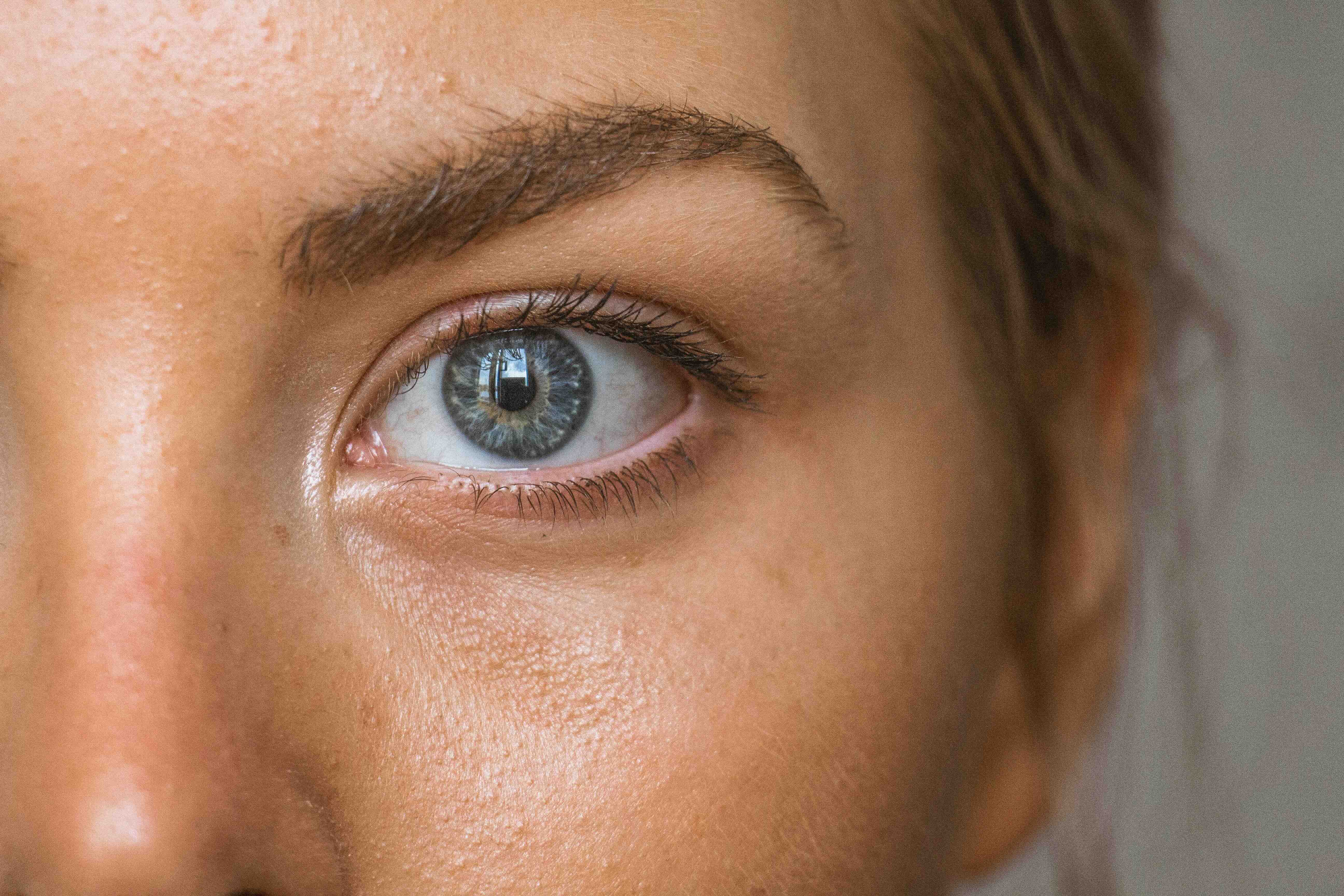
Blepharoplasty, also known as eyelid surgery or eye bag removal, is one of the most sought-after facial rejuvenation procedures in the UK. It is designed to address drooping upper eyelids, bags under the eyes, skin laxity and overall tired-looking eyes, helping patients look refreshed, more youthful, and enhancing their natural features and facial structure.
At The Clinic, located in the heart of Chelsea in London, blepharoplasty is performed by Dr Maryam Zamani, our founder and world-renowned oculoplastic surgeon who specialises in both upper blepharoplasty and lower blepharoplasty. If you’ve been wondering what blepharoplasty is, read on to find out the five most important things to know.
1. The Basics of Blepharoplasty: It Can Be Upper or Lower
Blepharoplasty is a delicate surgical procedure that removes or repositions excess skin, fat, and muscle from the upper and/or lower eyelids. It is designed to address some of the most common concerns around the eyes, including:
- Sagging or hooded upper eyelids
- Puffy bags beneath the eyes
- Wrinkled or loose skin around the eyelids
Depending on your needs, blepharoplasty may be performed on the upper lids, lower lids, or both. In some cases, it can also be combined with other rejuvenating procedures to achieve the most harmonious, natural result. This may include elevation of the brows as well.
Upper blepharoplasty: Removes or repositions excess skin and fat from the upper eyelid, reducing hooding and heaviness that can make eyes look tired or obstruct vision.
Lower blepharoplasty: Targets puffiness, under-eye bags, and loose skin beneath the eyes, restoring smoother contours and a brighter under-eye area.
Some patients may benefit from either an upper or lower blepharoplasty, while others achieve the best results with a combination of both and can be done in conjunction with other treatments.. For those who are not ready for surgery, our signature LumiEye Protocol offers an advanced non-surgical alternative, tightening the skin around the eyes and restoring a refreshed, rejuvenated appearance.
2. It’s About Subtle, Natural Rejuvenation
The goal of blepharoplasty is not a dramatic change. It is refined rejuvenation. Patients often say they look more awake and rested after surgery, without losing their natural expression. Dr Zamani’s philosophy centres on artistry and precision, ensuring that results are always natural, never overdone.
3. What to Expect from Upper Eyelid Blepharoplasty
During surgery, a discreet incision is made along the natural eyelid crease to remove excess skin and/ or reposition excess fat. This approach leaves a fine scar that becomes virtually invisible once healed.
Before the procedure, the amount of skin to be removed is carefully marked while the patient is upright, and confirmed again lying down, to ensure both precision and proper eyelid closure. Surgery is carried out under local anaesthetic, sedation or general anaesthetic and usually takes 30-60 minutes. Fat pads may be trimmed or repositioned to improve contour and restore a more youthful look. Fine, non-dissolvable sutures are placed and removed one week later.
Recovery
- Initial bruising and swelling resolve in 1–2 weeks, though full results develop over several weeks.
- Antibiotic ointment and artificial tears are prescribed for comfort.
- Cold compresses and sleeping with the head elevated are recommended in the first 48 hours.
- Patients can resume most daily activities the day after surgery, but should avoid strenuous exercise until cleared.
- Driving is not recommended until after the first post-operative check.
- Sutures are removed after one week, and makeup can usually be worn again within 7–10 days.
Mild numbness, tightness, and dryness are common but temporary. Complications such as infection, delayed healing, or vision changes are rare when the procedure is performed by an experienced oculoplastic surgeon.
4. What to Expect from Lower Eyelid Blepharoplasty
For patients troubled by puffiness or sagging under the eyes, lower blepharoplasty provides a highly effective solution.
- If only fat is removed or repositioned, the incision can be placed inside the eyelid (transconjunctival approach), leaving no visible scar. This technique also reduces risks associated with external incisions.
- When skin laxity is present, a fine incision may be made just beneath the lash line to remove excess skin. By following the eyelid’s natural crease, the resulting scar is discreet and blends seamlessly with the skin.
In patients with eyelid laxity, a canthal suspension (canthopexy) may be performed to support the lower lid and prevent complications.
Surgery usually takes 1-2 hours, depending on complexity. Fat pads may be trimmed or redraped to restore smooth contours.
Recovery
- Swelling and bruising are expected but typically improve within 1–2 weeks.
- Antibiotic ointment and artificial tears are prescribed for comfort.
- Cold compresses and sleeping elevated help reduce swelling during the first 48 hours.
- Most patients resume daily activities within 24–48 hours, but exercise should be avoided for 2 weeks.
- Driving is not recommended until after the first post-operative check.
- Sutures, if used, are removed after one week, and makeup can be resumed 7–10 days post-surgery.
Temporary tightness, numbness, or dryness are common but usually resolve with time.
5. Results Can Last for Years
Upper blepharoplasty and lower blepharoplasty are both considered long-lasting procedures. Many patients enjoy results for 7-10 years, with eyelids maintaining a firmer, more youthful appearance long term.
Though ageing continues naturally, blepharoplasty is one of the most enduring aesthetic surgeries available and can be redone. Generally, once fat is removed, it does not return. Skin laxity will recur with the normal ageing process.
Make Sure You Choose the Right Surgeon in London
When researching blepharoplasty in London, it’s important to look for an oculoplastic surgeon. This subspecialty training ensures advanced expertise in eyelid anatomy and function, reducing risks and achieving refined results.
As both an ophthalmologist and aesthetic doctor, Dr Maryam Zamani brings unparalleled knowledge of the eyes, ensuring her patients receive safe, sophisticated outcomes.
Whichever eye treatment you are exploring for aesthetic rejuvenation, Maryam and her team will carefully assess your suitability, outline the benefits, and recommend the most effective treatment pathway for you. In expert hands, blepharoplasty becomes more than a treatment; it is a trusted tool to restore comfort, confidence, and support long-term wellbeing.
Book your consultation here.
Testimonials
Trustindex rating score: 4.7 of 5, based on 222 reviews
JT

My recent experience with the lovely Dr Maryam Zamani and her fabulous team was outstanding. Dr Maryam gave very professional and proactive...
EC
Maryam is highly skilled when it comes to injecting Botox and filler in the right places, and in the right amount. With other practitioners and doctors I have...
JB
The only one I trust for my skin since 10 years. She is truly amazing and an example for women . Very very happy about my laser treatment and her team is...
MCL
After taking my time researching plastic surgeons I decided to go to Dr. Zamani. I watched her IG often, saw what type of treatments she...
SS
I have been a patient of Dr Zamani’s for years, and to put it lightly, I will never let anyone touch my face if it isn’t her! Not only is Dr Zamani a wonderful person, her....
NC
I visited Doctor Zamani with very droopy upper eyelids and I had been thinking about surgery for sometime. I was given Doctor Zamani’s name by a friend who is in...
What is Blepharoplasty? FAQ
We’ve collated the most commonly asked questions by our patients to give you further insight into your What is Blepharoplasty blog. If you’d like to find out more, please get in touch with the clinic by phone or submit an enquiry.
What is blepharoplasty? The complete guide to eyelid surgery
Blepharoplasty is eyelid surgery, a delicate procedure that removes or repositions excess skin, fat and sometimes muscle from the upper and/or lower eyelids. It's designed to correct things like hooding, sagging, puffiness and under eye bags, the kind of changes that come with age and can make you look tired even when you're not. It can be done on the upper lids, the lower lids, or both, depending on what you actually need, and it's often combined with other treatments like a brow lift for a more balanced overall result. At The Clinic, it's performed by Dr Maryam Zamani, a world renowned oculoplastic surgeon based in Chelsea. The goal isn't a dramatic change, it's refined rejuvenation, patients tend to say they look more awake and rested, without losing what makes their face look like their own. For those not ready for surgery, there's also a non surgical alternative called the LumiEye Protocol that tightens the skin around the eyes.
Upper vs lower blepharoplasty: which do you need?
It really comes down to where your concerns sit. Upper blepharoplasty deals with hooding, sagging or heaviness in the upper eyelid, the kind that can make eyes look tired or, in more severe cases, actually get in the way of your vision. Lower blepharoplasty is the go to for puffy, sagging or tired looking under eyes, addressing bags, shadowing and loose skin below the lash line. Some patients only need one or the other, some benefit from both together for a full eye area refresh, and it's not unusual to combine either with a brow lift or laser resurfacing for a more complete result. The upper procedure uses an incision hidden in the natural eyelid crease, while the lower can be done from inside the eyelid (transconjunctival, so no visible scar) or just below the lash line if skin also needs removing. Both are generally under an hour, done under local anaesthetic with or without sedation, and it's a decision best made at consultation once your anatomy's actually been assessed.
Upper vs lower blepharoplasty: which do you need?
The first 24 to 48 hours are about icing the eyes and sleeping propped up on two pillows to keep swelling down, then switching to warm compresses after that to help with any bruising. Stitches usually come out around one week post op, which is also when swelling and bruising visibly start settling. Social downtime generally runs 1 to 2 weeks, and by the 4 to 6 week mark, most of the visible healing is done. That said, results keep refining for a few months, full outcome is usually seen at the 3 to 6 month point as everything settles completely. Along the way, expect to use artificial tears and antibiotic ointment as directed, and to avoid intense sun exposure for at least a month after surgery. Some temporary light sensitivity or blurry vision from the ointment is normal early on and clears quickly.
Am I a good candidate for blepharoplasty? Signs and checklist
A few common signs point toward blepharoplasty being worth exploring: hooded or heavy upper eyelids that make your eyes look tired, excess skin that actually gets in the way of your vision or makeup application, puffy or baggy under eyes that don't budge no matter how much sleep you get, and a general sense that your eye area looks older than the rest of your face. It's worth noting blepharoplasty can be done on the upper lids, lower lids or both, so a proper assessment matters more than trying to self diagnose from a mirror. Good general health, realistic expectations, and being bothered enough by the concern to want it addressed all matter too. The best way to know for sure is a proper consultation with an oculoplastic surgeon, since they can assess your eyelid function, skin laxity and overall anatomy, and tell you honestly whether surgery, a non surgical alternative like LumiEye, or a combination approach makes the most sense for you.
What is Blepharoplasty? FAQ
We’ve collated the most commonly asked questions by our patients to give you further insight into your What is Blepharoplasty blog. If you’d like to find out more, please get in touch with the clinic by phone or submit an enquiry.
What is blepharoplasty? The complete guide to eyelid surgery
Blepharoplasty is eyelid surgery, a delicate procedure that removes or repositions excess skin, fat and sometimes muscle from the upper and/or lower eyelids. It's designed to correct things like hooding, sagging, puffiness and under eye bags, the kind of changes that come with age and can make you look tired even when you're not. It can be done on the upper lids, the lower lids, or both, depending on what you actually need, and it's often combined with other treatments like a brow lift for a more balanced overall result. At The Clinic, it's performed by Dr Maryam Zamani, a world renowned oculoplastic surgeon based in Chelsea. The goal isn't a dramatic change, it's refined rejuvenation, patients tend to say they look more awake and rested, without losing what makes their face look like their own. For those not ready for surgery, there's also a non surgical alternative called the LumiEye Protocol that tightens the skin around the eyes.
Upper vs lower blepharoplasty: which do you need?
It really comes down to where your concerns sit. Upper blepharoplasty deals with hooding, sagging or heaviness in the upper eyelid, the kind that can make eyes look tired or, in more severe cases, actually get in the way of your vision. Lower blepharoplasty is the go to for puffy, sagging or tired looking under eyes, addressing bags, shadowing and loose skin below the lash line. Some patients only need one or the other, some benefit from both together for a full eye area refresh, and it's not unusual to combine either with a brow lift or laser resurfacing for a more complete result. The upper procedure uses an incision hidden in the natural eyelid crease, while the lower can be done from inside the eyelid (transconjunctival, so no visible scar) or just below the lash line if skin also needs removing. Both are generally under an hour, done under local anaesthetic with or without sedation, and it's a decision best made at consultation once your anatomy's actually been assessed.
Blepharoplasty recovery: week-by-week timeline and aftercare tips
The first 24 to 48 hours are about icing the eyes and sleeping propped up on two pillows to keep swelling down, then switching to warm compresses after that to help with any bruising. Stitches usually come out around one week post op, which is also when swelling and bruising visibly start settling. Social downtime generally runs 1 to 2 weeks, and by the 4 to 6 week mark, most of the visible healing is done. That said, results keep refining for a few months, full outcome is usually seen at the 3 to 6 month point as everything settles completely. Along the way, expect to use artificial tears and antibiotic ointment as directed, and to avoid intense sun exposure for at least a month after surgery. Some temporary light sensitivity or blurry vision from the ointment is normal early on and clears quickly.
Am I a good candidate for blepharoplasty? Signs and checklist
A few common signs point toward blepharoplasty being worth exploring: hooded or heavy upper eyelids that make your eyes look tired, excess skin that actually gets in the way of your vision or makeup application, puffy or baggy under eyes that don't budge no matter how much sleep you get, and a general sense that your eye area looks older than the rest of your face. It's worth noting blepharoplasty can be done on the upper lids, lower lids or both, so a proper assessment matters more than trying to self diagnose from a mirror. Good general health, realistic expectations, and being bothered enough by the concern to want it addressed all matter too. The best way to know for sure is a proper consultation with an oculoplastic surgeon, since they can assess your eyelid function, skin laxity and overall anatomy, and tell you honestly whether surgery, a non surgical alternative like LumiEye, or a combination approach makes the most sense for you.
Book Consultation
As a leading Oculoplastic Surgeon with special interest in Facial Aesthetics, Dr. Maryam Zamani has garnered a global reputation - both in the US and UK - for her meticulous attention to detail and sought-after techniques for eyes and facial aesthetics.
Thank you! Your submission has been received!
Oops! Something went wrong while submitting the form.
Find The Clinic by Dr Maryam Zamani in the heart of Chelsea
Book NowLocated on the Kings Road, our clinic is easy to reach from Chelsea, Kensington, Belgravia, Knightsbridge, South Kensington, Fulham and Battersea. We are positioned just moments from Sloane Square with excellent transport links across Central and South West London.
Public Transport
- Nearest tube: Sloane Square (District & Circle lines)
- Approx. 5-minute walk
- Multiple bus routes along King’s Road
Public Transport
- Metered on-street parking available on surrounding roads
- Nearby car parks: Duke of York Square & Cadogan Place
- Please allow additional time during peak hours
Accessibility: Please let us know if you require any assistance prior to your appointment, our team will be happy to help ensure your visit is comfortable.